Get my articles & resources in your inbox plus a free AUTISM & ME ACTIVITY BOOK for age 6+! Sign up

Get my articles & resources in your inbox plus a free AUTISM & ME ACTIVITY BOOK for age 6+! Sign up
Understand your child’s strengths and needs, and find ideas for everyday family life.
Explore help with emotions, routines, attention and getting things done, for ages 5–17.
I’m Dr Lucy Russell, a child clinical psychologist with over 20 years’ experience in the NHS and private practice. At Everlief Child Psychology, the clinic I co-founded, we assess children for ADHD and autism and have supported more than 5,000 families.
Choose the question that matters most to your family today.
Understand self-regulation and what helps your child manage feelings and behaviour.
Find practical ways to respond when emotions and behaviour become difficult.
Build predictable routines that fit your child and make everyday tasks easier.
Help your child break homework into small steps and see their progress.
Choose a printable below and sign up to receive it by email.
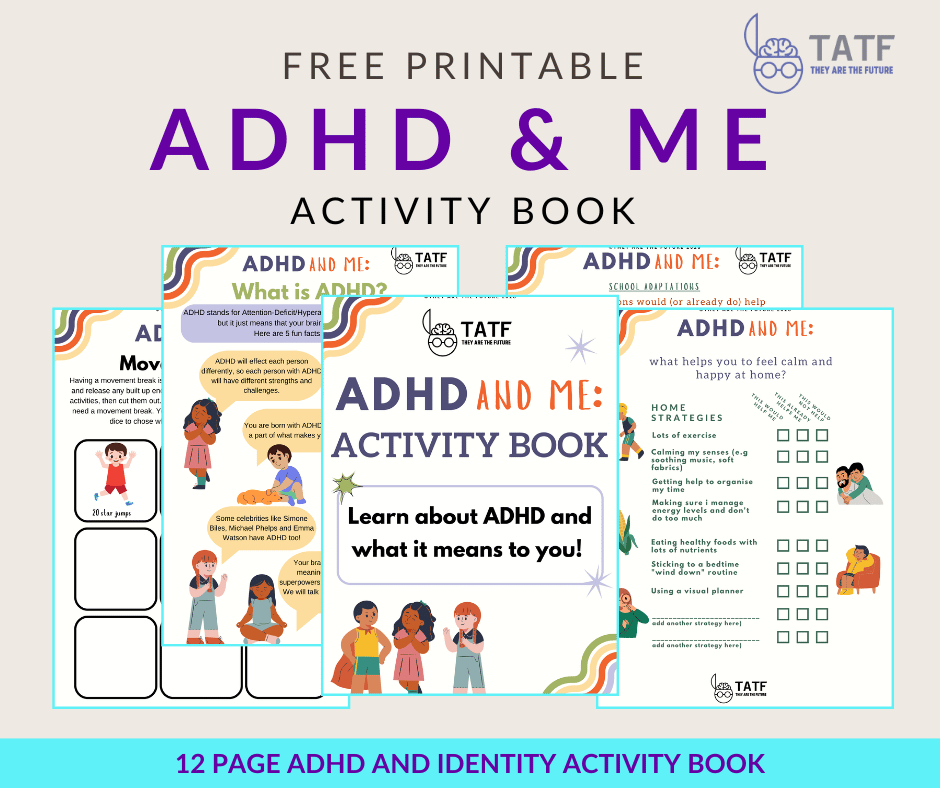
Help your child understand their ADHD, notice strengths and explore what helps them.
Work through the activities together, at your child’s own pace.
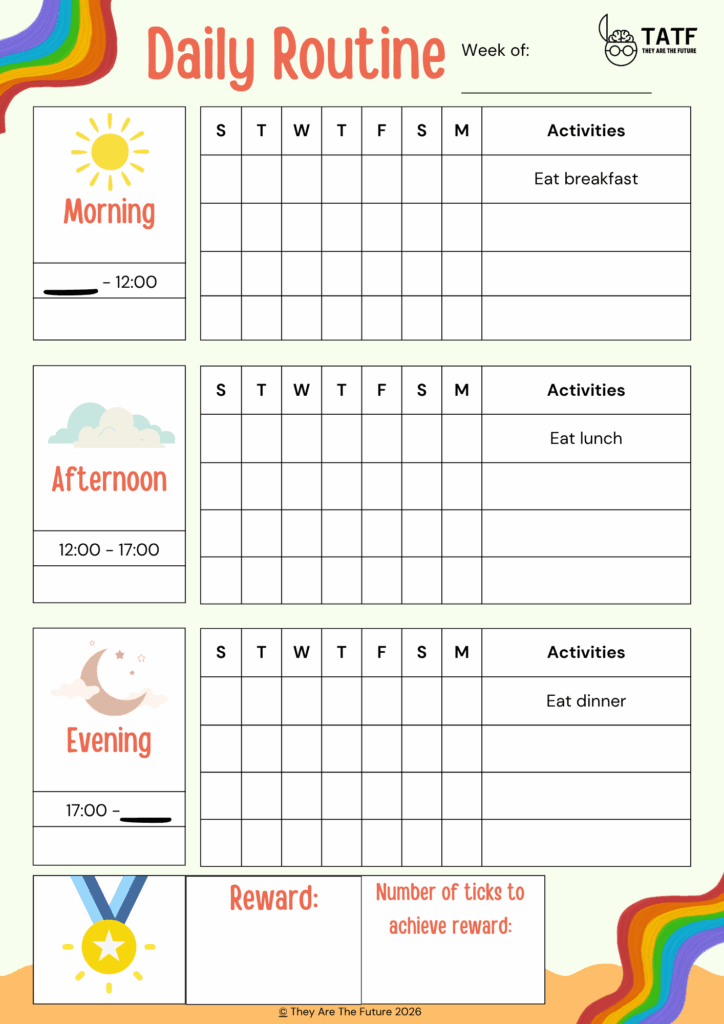
Make everyday routines visible, with planners showing what comes next.
For families wanting more predictable mornings and evenings, with fewer reminders.

Spot what fills your child’s stress cup and what helps empty it.
For parents exploring stress, outbursts and their child’s everyday needs.
Choose practical tools and resources that fit your family.
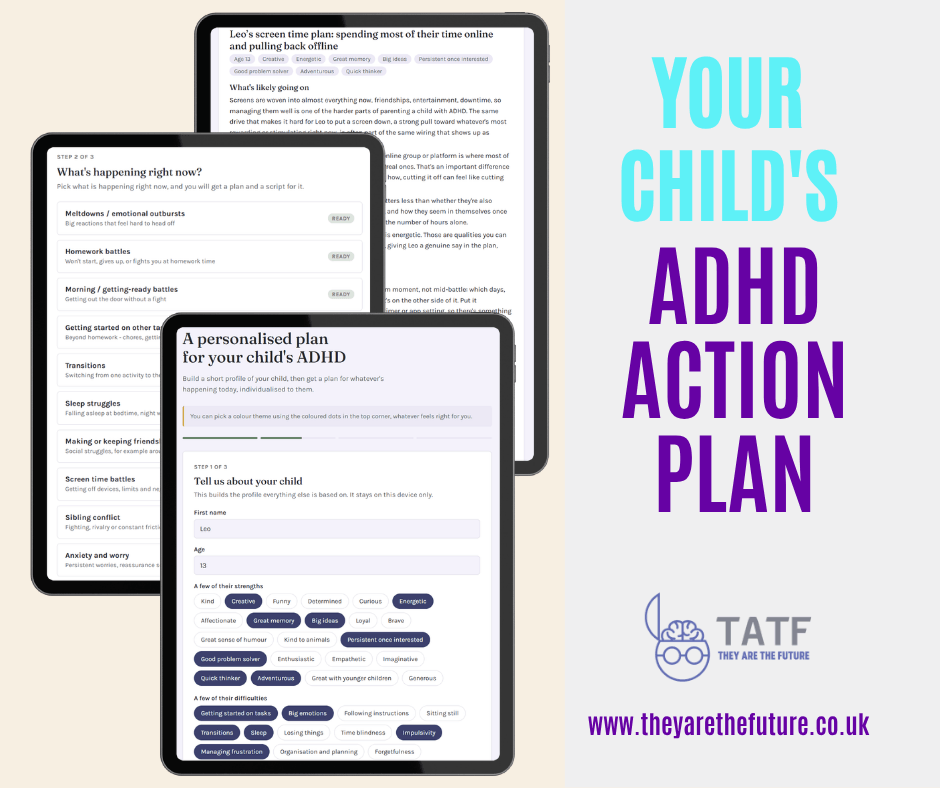
UK & INTERNATIONAL PARENTS · ONLINE TOOL
Get a personalised plan around your child and what’s happening today.
Find words to use and practical steps for home and school.
Return whenever something changes. One payment gives lifetime access.

UK & INTERNATIONAL PARENTS · SHORT COURSE
Create a clear evening wind-down and morning routine together with your child.
A three-day short course with practical planners, video lessons and lifetime access.
UK & INTERNATIONAL PARENTS · SHORT COURSE
Help your child start tasks, stay organised and keep going.
A practical course for parents of children aged 5–17, with neurodivergent needs in mind.
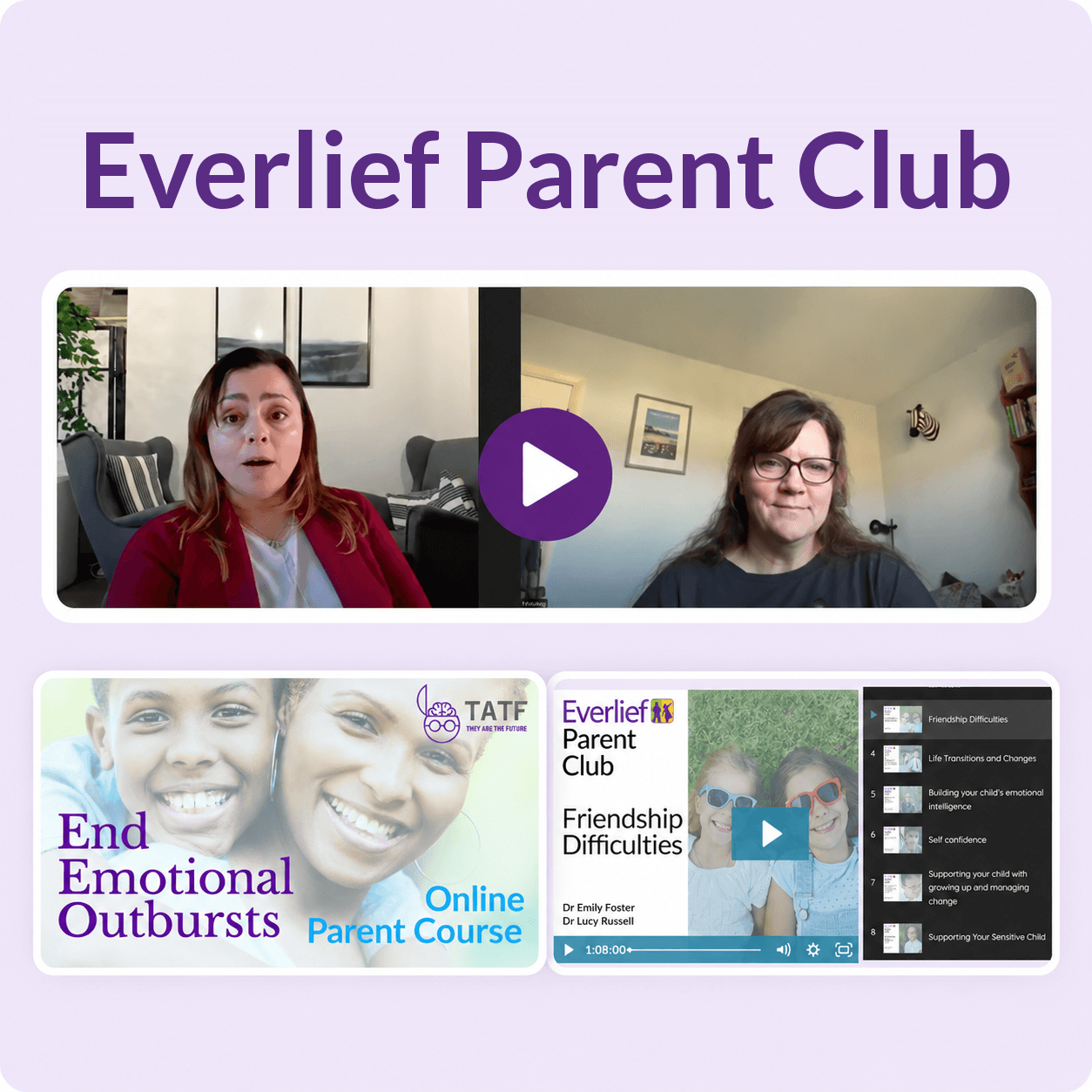
UK PARENTS · MEMBERSHIP
Dip into recorded webinars and short courses whenever you need practical ideas.
Explore support with emotions, routines and everyday family challenges.
£9.99 per month. Cancel any time.
Small, practical changes usually help most. Give one clear instruction at a time, make routines visible with a chart or planner, and let your child know straight away when something has gone well. Build in time to move, and plan around the things your child enjoys and is good at. My article on parenting strategies for ADHD kids explains what to say and do when things get hard.
ADHD affects self-regulation, which is the ability to pause, manage impulses and handle strong feelings in the moment. Many children with ADHD know what they should do and find it much harder to do it when they’re tired, excited or upset. Calm, consistent responses, clear expectations and support from school help them build these skills over time. My article on ADHD child behaviour control explains what helps at home and at school.
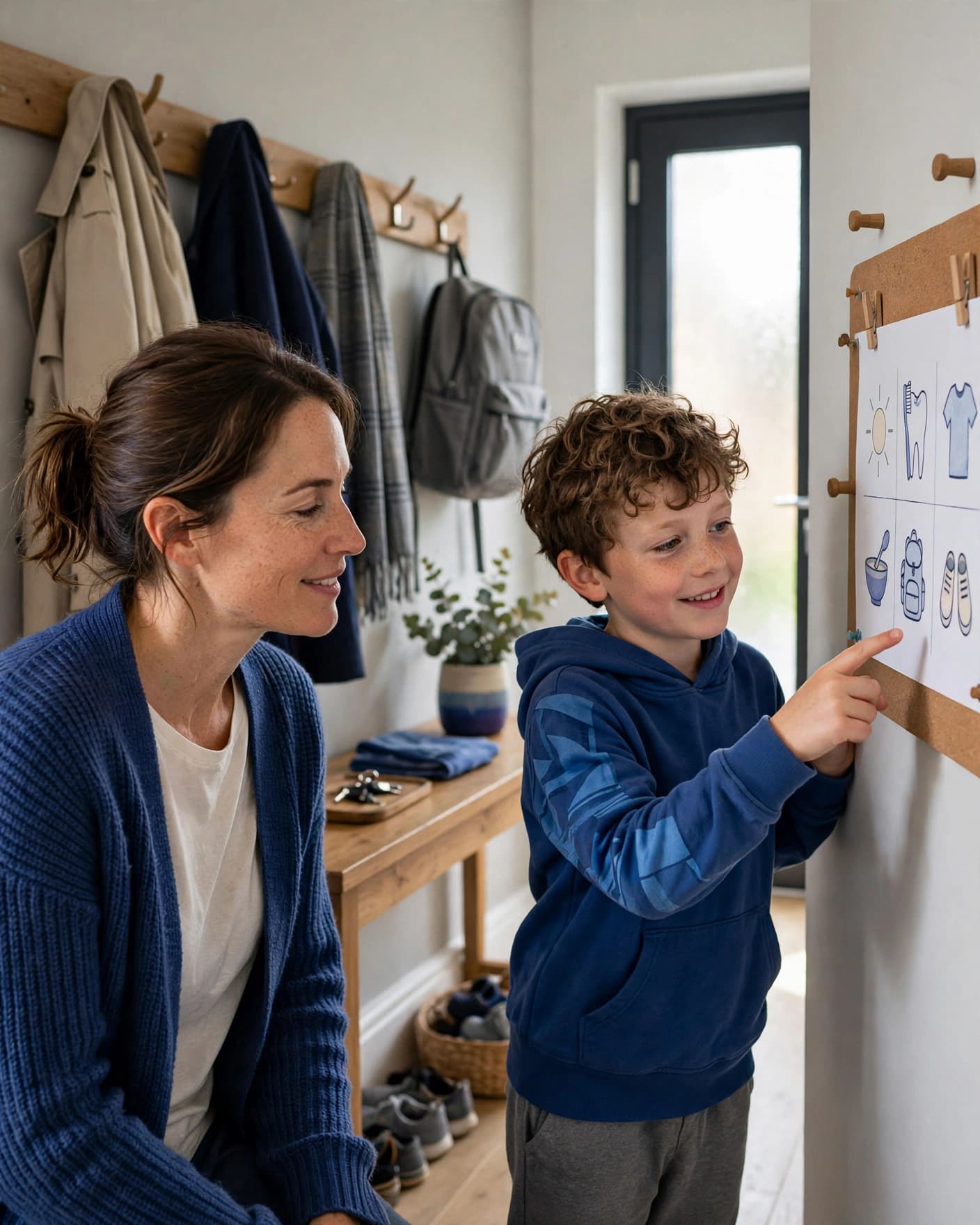
Predictable routines take pressure off your child’s working memory (the brain’s ability to hold information in mind while doing something), so you need fewer reminders. Keep each routine short and show the steps visually, somewhere your child can see them, such as a chart by the door. Start with the part of the day that feels hardest, which is often mornings or bedtime. My guide to building an ADHD routine for kids includes a free routine planner.
Break homework into very small steps, so your child only has to focus on one tiny task at a time. Tick boxes or a short checklist help them see their progress, and short movement breaks between steps help them refocus. My article on the micro-chunking homework strategy for ADHD kids gives you a routine you can try tonight.
Begin with what your child is good at and enjoys, then explain ADHD simply as a difference in how their brain works, which can make things like focusing and waiting harder. Short, relaxed conversations over time work well, especially when your child can ask their own questions. My free ADHD & Me activity book helps your child explore what ADHD means for them, with activities you can work through together.
Explore more guidance below, with new articles added as they’re published.