Get my articles & resources in your inbox plus a free AUTISM & ME ACTIVITY BOOK for age 6+! Sign up

Get my articles & resources in your inbox plus a free AUTISM & ME ACTIVITY BOOK for age 6+! Sign up
Find clear steps for handling disagreements, setting boundaries and building closer connections.
For parents of children and teenagers aged 5–17, including autistic children.
I’m Dr Lucy Russell, a child clinical psychologist with over 20 years’ experience in the NHS and private practice. At Everlief Child Psychology, the clinic I co-founded, we have supported more than 5,000 families.
Choose the relationship challenge you would like help with first.
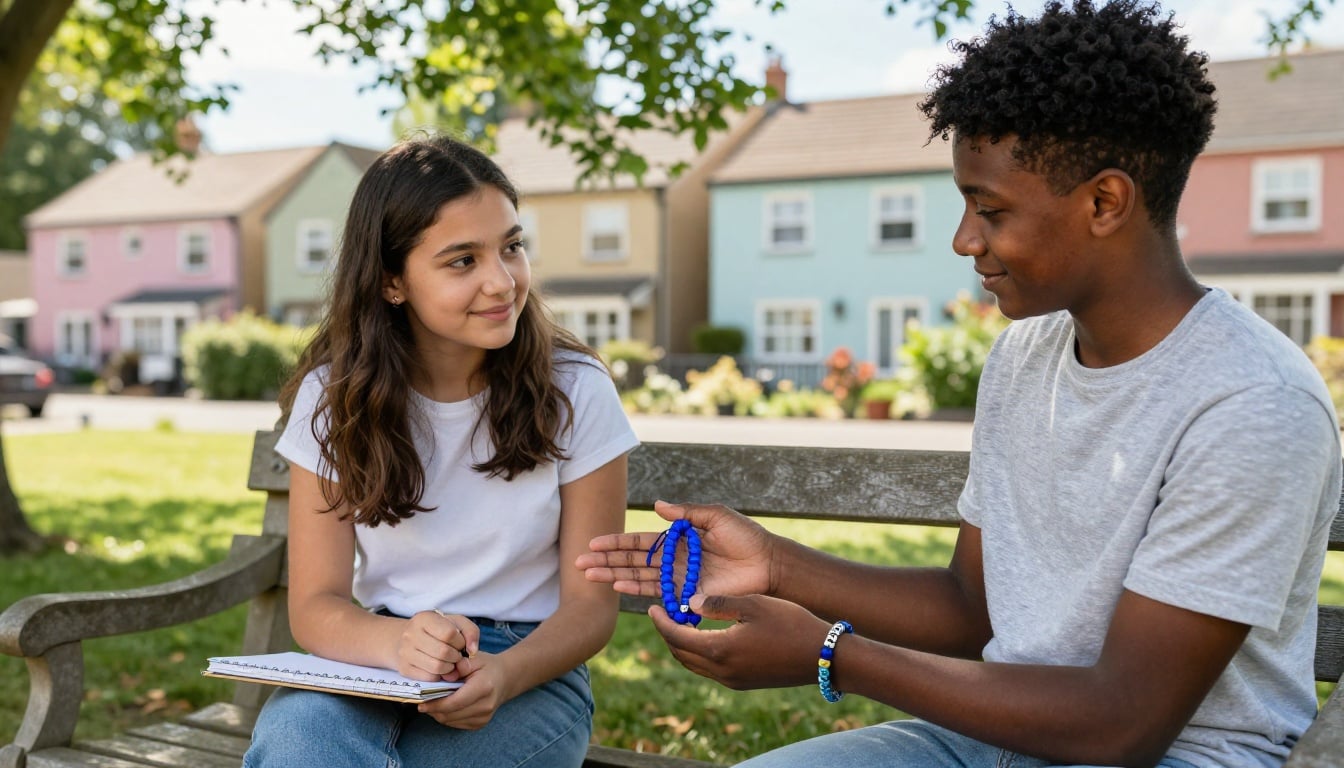
Build friendship skills through practical activities matched to your child’s needs.
Help your child handle disagreements and repair friendships after arguments.
Know what to do, what to record and how to work with school.
Reduce rivalry and encourage cooperation, while making each child feel valued.
Help your teenager build connections that suit them, without pressure to mask.
Strengthen your bond with your younger child by following their lead during play.
Sign up to receive these printable resources by email.

Find out which friendship skills your child has and what to practise next.
A printable checklist to help you choose one useful skill to work on.
Help your child recognise uncomfortable situations and find the words to say no.
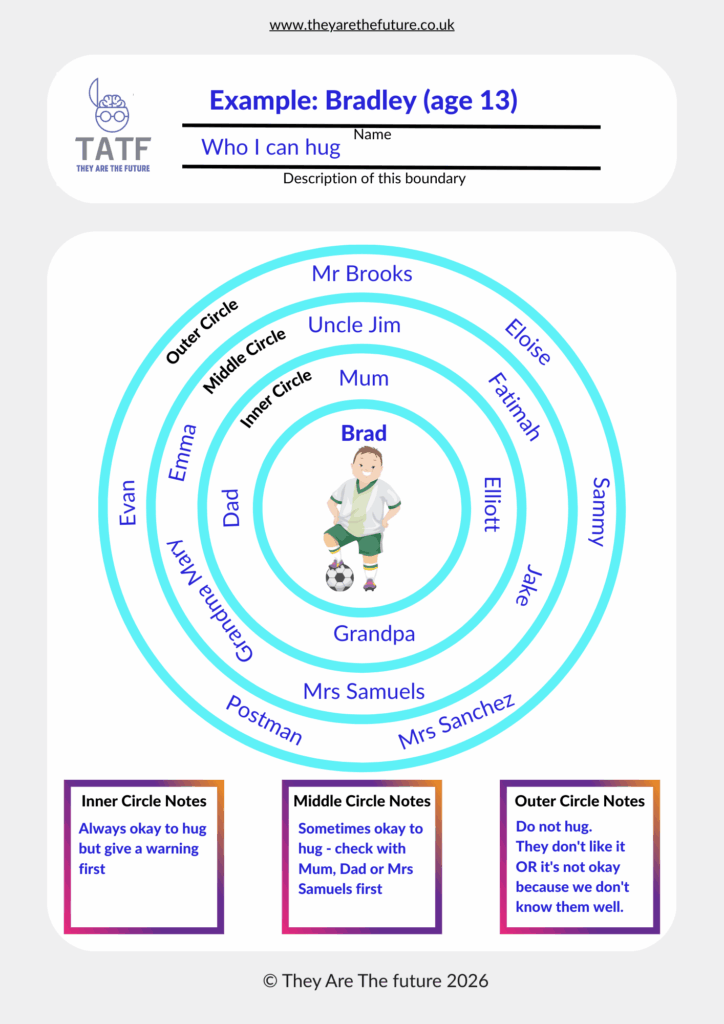
Use the circle chart to talk through limits with friends, online and at home.

Help your child say how they feel and what they need, without blaming others.
A four-step communication tool for older children, teenagers and parents to practise together.

Help your teenager choose good friends and feel more confident making new ones.
A free 27-page workbook for ages 9+, including handling friendship problems and disagreements.
Build everyday confidence and get practical answers for family life.

UK & INTERNATIONAL FAMILIES · PRINTABLE BUNDLE
Help your child speak up, set boundaries and feel better about themselves.
Eleven printable activities covering strengths, values, communication, self-care and more. Clear guidance for ages 8–17.
UK PARENTS ONLY · MEMBERSHIP
When relationship difficulties affect family life, get clear guidance from child psychology specialists.
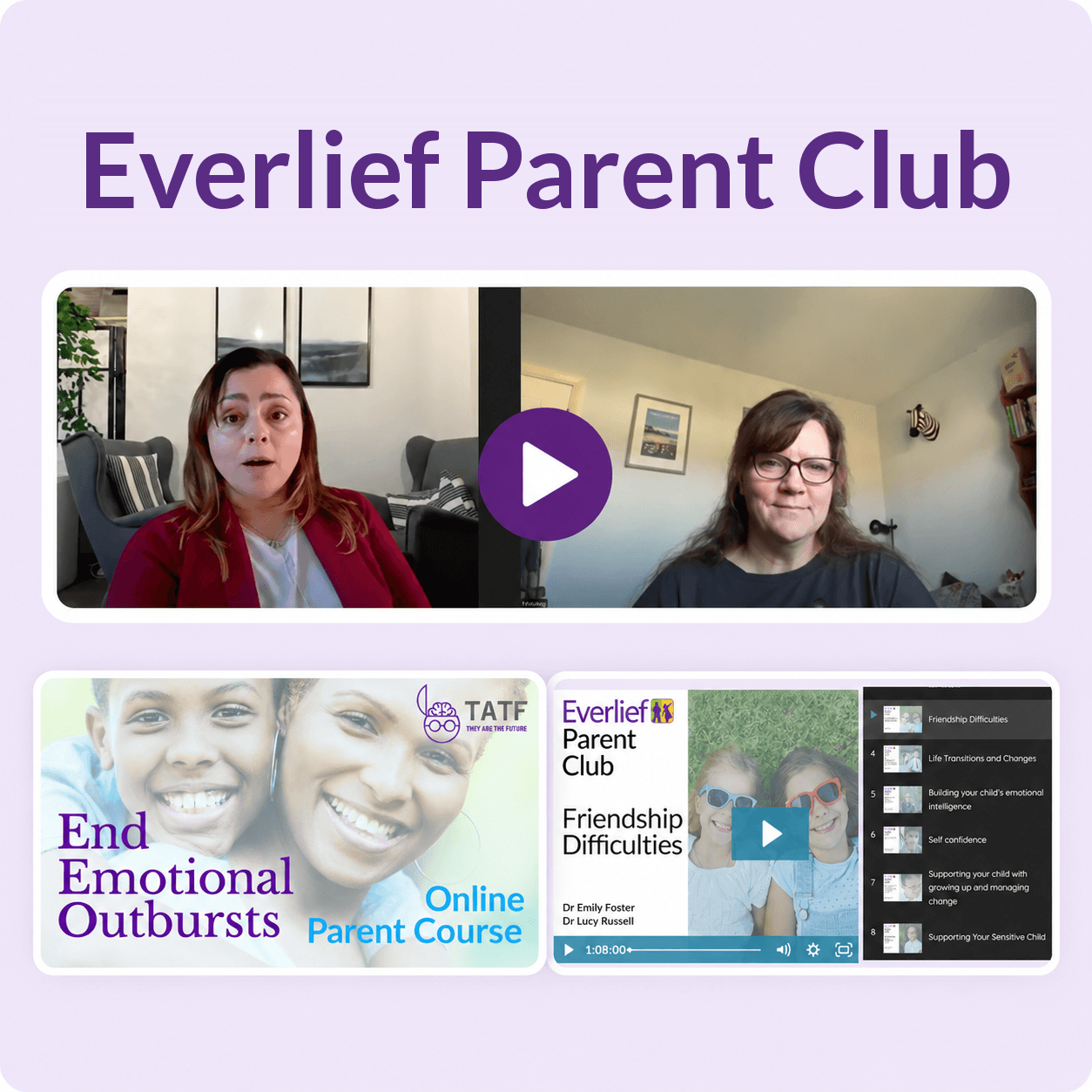
Recorded webinars, Q&As and courses covering friendships, emotions, behaviour and more. Particularly relevant for parents of autistic children and children with ADHD.
Friendship skills, such as joining in, taking turns and showing interest in others, develop at different rates. If your child would like some help, choose one skill to work on at a time and keep any practice low-key and fun, at home or in small, relaxed social situations. Never force skills that feel uncomfortable for your child, such as eye contact. Some children simply need more time to find the right friends, especially if they have niche interests, and a club or group built around those interests is often where they connect. My free friendship skills checklist helps you choose what to practise next.
Listen first and help your child describe what happened and how they feel. Then think together about what keeps going wrong, what they could say or do differently next time and how to put things right. If the friendship often leaves your child upset, help them spend time with other friends too. My article on what to do when your child keeps falling out with the same friend explains why it happens and how to respond.
Listen calmly, take what your child says seriously and thank them for telling you. Keep a simple record of what happens and when, then share it with your child’s school and agree a plan together. In the meantime, help your child spend time with people and activities that make them feel good about themselves. My article on what to do when your child is being bullied covers what to record and how to work with school.
Some arguing between siblings is a normal part of growing up, and it can help children learn to negotiate and make up. One-to-one time with each child, and making sure each child feels valued for who they are, both reduce rivalry. Clear family rules about how to disagree help too, along with noticing when your children get on well. My article on sibling rivalry explains why siblings fight and how to help.
Some autistic teenagers prefer a small number of close friends, often built around shared interests. Help your teenager find clubs, groups or online communities linked to what they love, and talk about what friendship means to them. Explain unwritten social rules clearly when they ask, and respect their need for time alone to recover after socialising. My article on helping an autistic teenager who finds friendships confusing has practical ideas.
Explore more guidance below, with new articles added as they’re published.
For classroom and school concerns, visit the School hub.