
My Teenage Daughter Has No Friends: Practical, Expert Tips

If you’re thinking, my teen daughter has no friends, you’re not alone. Did you know that teenage girls are considered the loneliest group in the world?
This worry comes up often for parents, and it can feel heavy, especially when your lonely teenager seems on the outside looking in.
Teen friendships can change quickly during adolescence. In primary school, social life is often built around playdates, clubs, and parents arranging things. In the teenage years, friendships are more peer-led, more influenced by group dynamics, and often shaped by social media and day-to-day life at secondary school.
It’s also common for teens to go through quieter phases socially. That said, if your daughter has no friends and seems unhappy or isolated, it makes sense to look a bit closer and offer steady support.
Start with sensitivity, not pressure
When your teen experiences social isolation, it’s tempting to jump into problem-solving mode. Try to slow it down and respect her comfort zone. Your daughter may already feel embarrassed, left out, or worried about being judged.
You can help most by:
- staying calm when she talks (or when she shuts down)
- showing interest without interrogating her
- keeping your tone warm and matter-of-fact
- avoiding comparisons to siblings or other teens
A simple opener often works best: “I’ve noticed things seem a bit lonely for you at the moment. I’m here if you want to talk.”

Lonely teen girls: check the building blocks of social skills
Friendships support confidence, self-worth, and emotional wellbeing. They also give teens a sense of belonging. Many people assume making friends is “natural”, but for plenty of teenagers social skills take practice.
It can help to think about the small parts that make up social connection. Your daughter does not need to be great at all of these to have friends, but gaps in a few areas can make things harder.
Consider whether she:
- gets regular chances to mix with others in settings that suit her
- can manage small talk (even a little)
- picks up on social cues like tone of voice, sarcasm, and body language
- respects personal space and boundaries (and expects the same)
- can listen and show interest in what others say
- feels comfortable with some eye contact (many teens find this hard)
If one or two areas are tricky, it doesn’t mean anything is “wrong” with her. It just gives you a clearer starting point.
If you think there may be traits of autism (which can come with social communication differences), take a look at this article for more guidance about signs of autism in teens.
You might also find the teen friendships activity book inside this article helpful.
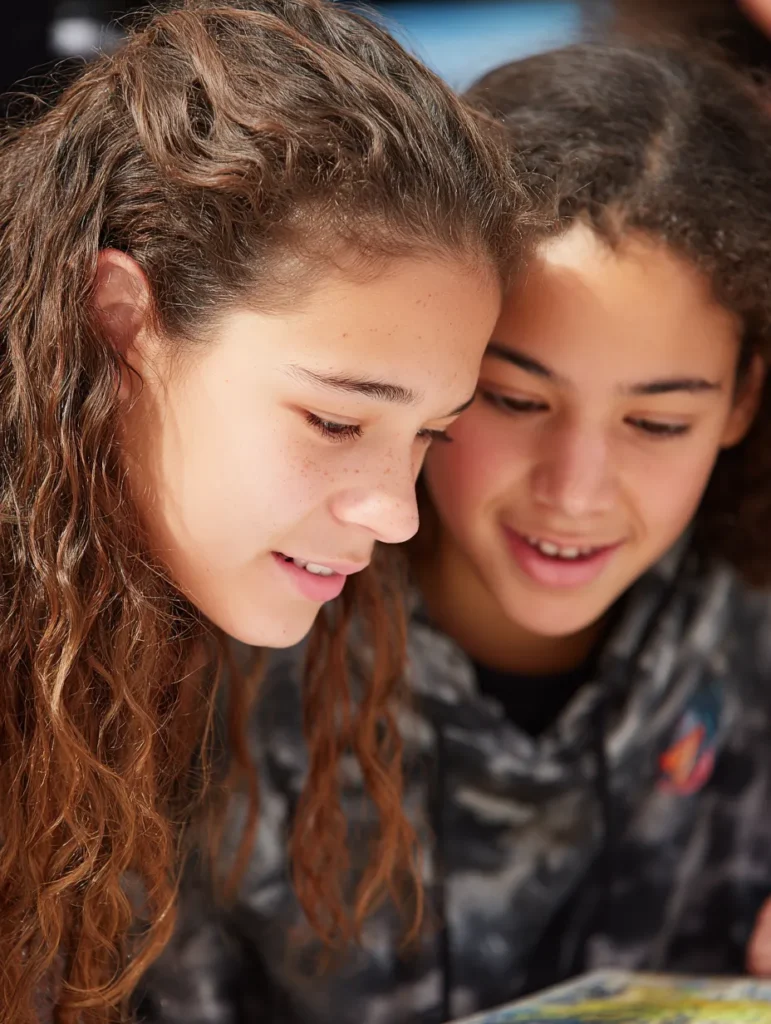
How your daughter understands friendship matters
Teen girls often have a strong idea of what friendship “should” look like. Sometimes that idea comes from social media, sometimes from peer relationships at school, and sometimes from past experiences that didn’t go well.
Some teens want a tight group. Others prefer one or a few close friends. Many girls move through several friendship changes in early secondary school before things settle later on.
It helps to gently explore what your daughter thinks she is missing. For example:
- Does she want one close friend, or a group of close friends?
- Does she feel she has to act a certain way to fit in?
- Does she believe “everyone else has it sorted” (even if that’s not true)?
Online friends can also matter. Virtual friendships through social media, gaming, or group chats can feel as real as in-person friendships, even if adults don’t always see them.
TAKE THE QUIZ!
When a teen has no friends, self-esteem is often involved
Low self-esteem is often a primary driver of social risk-avoidance, making friendship feel risky. If your daughter already doubts herself, she may harbour a fear of rejection and assume she will be ignored or judged, so she holds back. Shyness and fear of “saying the wrong thing” can have the same effect.
You can support her confidence in small, realistic ways:
- notice effort, not just outcomes (“You went today, even though it felt awkward”)
- help her spot strengths that are real (kindness, humour, creativity, loyalty)
- model balanced self-talk at home to counter toxic internalizing
- give feedback gently and clearly, without shame
Confidence also makes it easier to hold boundaries and cope with peer pressure, which can protect against isolation.
Anxiety can keep your daughter on the sidelines
If you’re thinking, my daughter has no friends at school, anxiety may be part of the picture. Social anxiety can make everyday situations feel threatening, even when nothing bad is happening on the outside.
Your daughter might:
- avoid group work, lunch queues, or common rooms
- stay quiet because she’s scared of being judged
- overthink texts and messages
- feel sick or panicky before school or social events
- retreat to her room after school to recover
Anxiety can also link with low mood. If she seems persistently down, withdrawn, or unable to manage normal routines, it’s worth speaking to your GP or a mental health professional for advice and support.

Neurodiversity and friendship: different, not less
If your daughter is neurodivergent (for example, autistic or has ADHD) or has difficulties with executive function, such as planning or reading social situations, friendship can be harder to “read”. She may miss hints, take words literally, or feel overwhelmed in busy social settings.
Some common sticking points include:
- coping when friendship groups shift at school
- feeling upset if a best friend spends time with others
- struggling when plans change at short notice
- finding it hard to join in unless there’s a shared interest
Many teens do best when friendships grow around common interests, clear routines, and predictable settings. Interest-based clubs, small groups, or structured activities can be a better fit than unplanned social time.
Perfectionism can get in the way
Perfectionism does not always show up as neat handwriting and high grades. In friendships, it often looks like fear of getting things wrong.
A naturally introverted perfectionist girl might:
- set very high standards for herself and for others
- be harsh on herself after small social mistakes
- struggle to accept normal “messiness” in friendships
- seek lots of reassurance, then worry she’s “too much”
You can help by normalising mistakes as part of relationships, which supports building independence, and by praising flexibility, not performance.

Sometimes it’s bad luck and timing
Friendships can be shaped by factors your daughter can’t control. Class changes, house moves, long travel distances, and friendship fallouts all matter.
Some teens lose their primary school group when they move to secondary school and end up starting again from scratch, which makes making friends especially tough. Others find their closest friends end up in different forms, different tutor groups, or different lunch periods.
This can feel personal to your daughter, even when it’s just circumstance.
Help her find people with similar interests
Extracurricular activities are one of the simplest ways to support friendship, because they create repeated contact without the pressure of “making friends” on the spot.
Look for options that suit her temperament:
- sport, dance, or martial arts (shared effort builds bonds through shared interests)
- drama, choir, music groups, school clubs, or writing clubs
- art groups, coding clubs, gaming groups, or board game cafes
- volunteering (structured, purposeful, and social)
If she finds big groups hard, start with a smaller setting, or a class where people work in pairs.
Structure reduces pressure. It also gives her something to talk about, which makes connection easier.

Building confidence to start new friendships
Some teens don’t struggle with being likeable, they struggle with starting. If your daughter freezes in social moments, try practising small steps at home for making friends.
Ideas that often help include:
- choosing one simple opener she can use (“How did you find the homework?”)
- aiming for short interactions, not instant friendships
- saying yes to a manageable invite out of her comfort zone, even if she only stays briefly
- staying connected through social media (with healthy limits)
- inviting someone round with a clear plan (film night, baking, a walk)
“Be yourself” only helps when your daughter feels safe. Focus first on helping her feel steady, then her personality can show up.
Case example 1: Zara, the quiet creative
Zara is 14 and travels from a rural area to a larger high school. Her mum is worried because Zara says she spends breaks alone, and rarely mentions anyone by name. At home, she’s bright and creative, but she seems drained by school and has stopped going to clubs.
When they talk, Zara admits she finds it hard to start conversations. She also feels left out because most classmates live closer to town, so plans happen without her.
With the high school counsellor as a resource for practical school-based planning, a practical plan helps:
- Zara joins a local dance class closer to home, so friendships are easier to maintain.
- She increases her school involvement by signing up for a school lunch-time drama group that practises social situations through role play.
- Her mum supports her to invite someone over, offering lifts when needed.
Zara still has wobbly days, but she is no longer stuck. She’s building confidence through regular contact and shared interests.
Case example 2: Aisha, anxious after a friendship split
Aisha is 13. She had one close friend in Year 7, then they fell out. Since then, Aisha has kept her head down, eats quickly at lunch, and says she “can’t be bothered” with friends. Her dad suspects social anxiety is protecting her from being hurt again.
They agree on small steps:
- Aisha chooses one club where she does not have to talk much at first (art club).
- Her dad helps her plan one small social goal each week, such as sitting near someone familiar.
- They talk about anxiety as a body alarm, not a personal failure, and practise calming skills before school.
Over time, Aisha starts chatting to one girl in art club over their shared interests. It’s a step in developing friendships, not a big group, but it’s a start, and it feels safe.

When your teen daughter has no friends, keep the bigger picture in mind
Seeing your teen daughter as a lonely teenager with no friends can feel urgent. You might picture her stuck like this forever. Most teens, though, go through phases. Peer relationships often shift as they grow, and many young people find “their people” later than you expect.
Your role is not to force friendships. Your role is to offer warmth, structure, and gentle chances to connect, while taking her feelings seriously.
If you’re carrying the thought my teen daughter has no friends, try to hold on to this: change is possible, and it usually starts with small, steady steps towards finding close friends.
Hayley Vaughan Smith is a Person Centred Counsellor accredited by the National Counselling Society. She is the founder and counsellor at The Ridge Practice in Buckinghamshire, and Counsellor at Everlief Child Psychology.
Hayley has a special interest in bereavement counselling and has worked as a bereavement volunteer with Cruse Bereavement Care since 2019. Being a mum to 3 girls is hard work and rewarding in equal measure and gardening and walking in nature is her own personal therapy.
Hayley believes being in nature, whatever the weather, is incredibly beneficial for mental health well-being.
