Get my articles & resources in your inbox plus a free AUTISM & ME ACTIVITY BOOK for age 6+! Sign up

Get my articles & resources in your inbox plus a free AUTISM & ME ACTIVITY BOOK for age 6+! Sign up
Find practical ideas for your autistic child’s strengths, needs and everyday life.
Whether you’re awaiting assessment or exploring a diagnosis, choose a starting point below.
I’m Dr Lucy Russell, a child clinical psychologist with over 20 years’ experience in the NHS and private practice. At Everlief Child Psychology, the clinic I co-founded, we have supported more than 5,000 families through autism assessment and follow-up.
Start with the question that matters most to your family today.
Explore ways to support your child while you wait.
Understand what a diagnosis means and consider your next steps.
Explore what helps your child feel understood, supported and included at school.
Look beyond behaviour to your child’s feelings and needs.
Choose a printable below and sign up to receive it by email.

Help your child understand their autism, recognise strengths and explore their needs.
For children aged 6+ and teenagers. Join in with younger children.

Help your child build their own menu of strategies for stressful moments.
A useful starting point for autistic teenagers, at home or school.

Spot what fills your child’s stress cup and what helps empty it.
For parents exploring stress, outbursts and their child’s everyday needs.
Choose the kind of support that fits your family. If you’re weighing up your options, my guide to autism courses for parents in the UK, including free ones, can help you decide.

UK & INTERNATIONAL PARENTS · PRINTABLE GUIDE
Explore practical tools for supporting your child through anxiety and panic.
A printable guide for parents of children aged 6–17, including neurodivergent children.

UK & INTERNATIONAL PARENTS · PRINTABLE BUNDLE
Explore feelings beneath behaviour, emotional regulation, boundaries and communication.
Printable worksheets with parent guidance, for families of children aged 5–17.

UK PARENTS · ONLINE COURSE
Understand your autistic child and find approaches that fit their individual needs.
Five specialists cover school, emotions, sensory needs, sleep and everyday life.
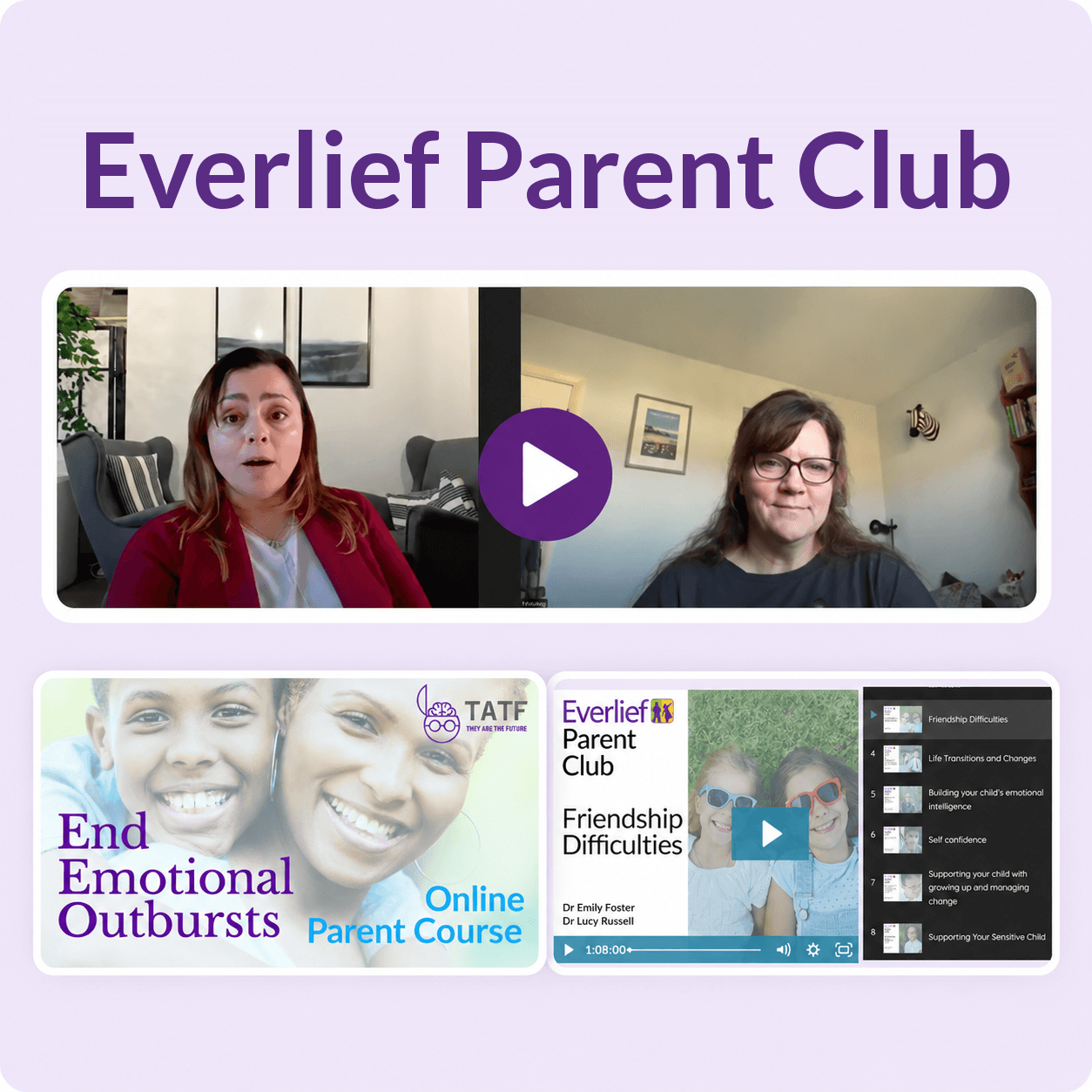
UK PARENTS · MEMBERSHIP
Dip into recorded webinars and short courses whenever you need practical ideas.
£9.99 per month. Cancel any time.
Start by getting to know what helps your child feel calm and what tends to overwhelm them. Predictable routines, clear and simple instructions, and time to recover after school or busy days help many autistic children. When behaviour is difficult, look at what might be behind it, such as sensory overload or anxiety. My guide to managing your autistic child’s behaviour at home takes you through this step by step.
You can start helping your child straight away, before any diagnosis. Keep a simple record of what you notice at home and at school, as this is useful at the assessment. Talk to your child’s school about small changes that could help now, and try strategies for whatever your child finds hardest, such as changes to routine or sensory sensitivities. Waiting times vary a lot, through the NHS and privately, so I’ve put together ideas for supporting your child while you wait for an autism assessment.
Take your time reading the diagnosis report and its recommendations before making big decisions. A good first step is sharing the report with your child’s school and agreeing together what will help. The level of support varies a lot from child to child. For some children, it’s mainly about understanding themselves and a few small changes at home and school, while others need help with specific things like sensory processing or anxiety. My article on what to do when your child is diagnosed with autism covers the next steps.
Talk about autism in a positive, matter-of-fact way, starting with your child’s strengths and the things they enjoy. Use simple language that suits their age, and come back to it in short conversations over time. My free Autism & Me activity book helps children aged 6 and over explore what autism means for them, with activities you can work through together.
School goes best when you, your child and their teachers work on it together. Share what you know about your child: what helps them feel calm, what they find hard and the early signs that they’re struggling. Small adjustments, such as a quiet space, warnings before changes or movement breaks, can make a big difference. My article on how to spot an autism-friendly school shows you what good support looks like in practice.
Explore more guidance below, with new articles added as they’re published.