
Stimming in Children and Teens: What It Means, Why It Happens, and How I Support It
Stimming is one of the most common and misunderstood behaviours in childhood. Adults often stim too.
Stimming, or self-stimulatory behaviour, is a way children cope, focus, or show feelings. These repetitive actions can look obvious or subtle. Stimming is most common in neurodivergent children, particularly those meeting diagnostic criteria for autism (ASD) or ADHD, but it can show up in any child, especially during stress or excitement.
As a child clinical psychologist, I look at what stimming is doing for your child rather than trying to stop it. The goal is safety, understanding, and appropriate support.
Here’s a quick guide.
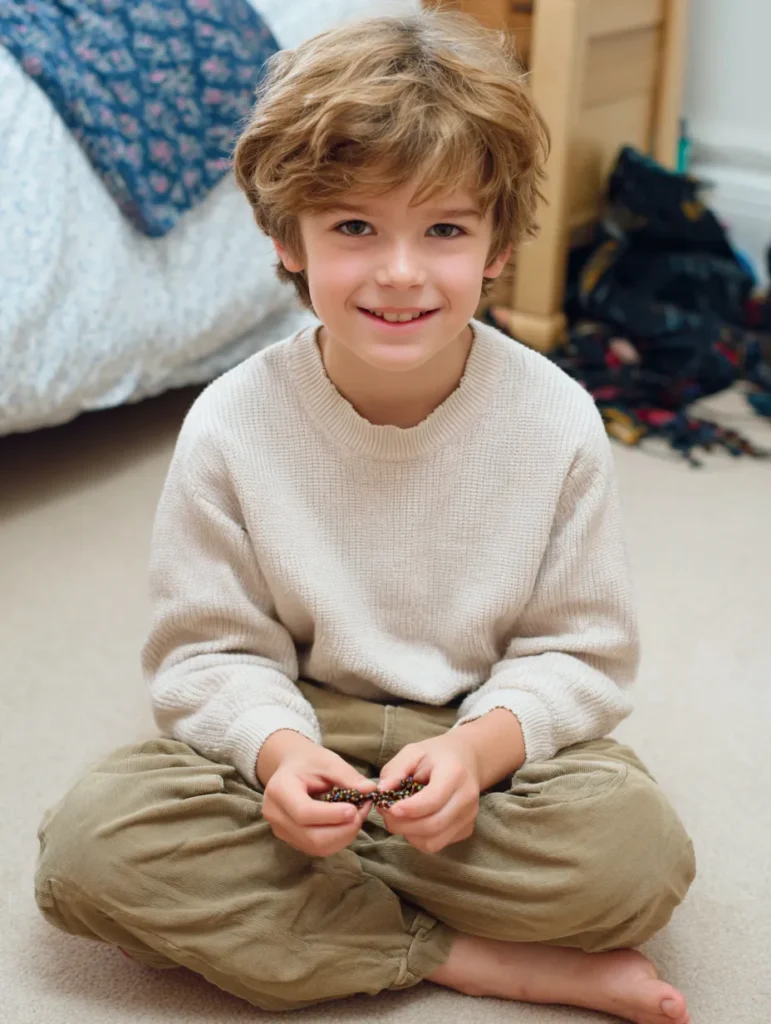
What stimming can look like (and what it might be doing for my child)
Stimming, which is self-stimulation through repetitive movements, can be big and bouncy, or quiet and private. In ages 5 to 17, I commonly see:
- rocking, hand flapping, finger-flicking, pacing, jumping
- vocal stims such as humming or echolalia (repeating words or phrases), tapping, pen-spinning
- chewing sleeves, nail-biting, leg-jiggling
- using stim toys like chewable necklaces or fidget spinners.
These actions often help a child with self-regulation. In plain terms, stimming can calm a busy nervous system, block out sensory overload, reduce anxiety, help them focus during dull tasks, or release excitement by providing needed sensory input.
Stimming often increases when your child is tired, hungry, overwhelmed by noise, facing change, or holding in feelings at school; sometimes this is referred to as masking.
Autism and ADHD: similar stims, different needs
The movement can look the same, but the “why” may differ. In autism, stimming often links to sensory overload or strong emotions. In ADHD, it is frequently about movement needs and staying alert, the classic “fidget to focus”. Still, every child’s pattern is unique in autism or ADHD.
Stimming examples (including high-masking kids)
A chatty teen might twirl hair over and over in lessons. A high-achieving child who is masking might chew pens in exams. Another might pace after school to shake off the day.
If I treat stimming as communication, I usually find the need underneath it.
Should I allow stimming?
Most of the time, yes. Safe stimming can soothe the body, like a pressure valve releasing steam through self-stimulation. It’s helpful to think in green flags and red flags.
Green flags: safe stims, it helps them cope, they can pause when needed, and it doesn’t block learning or joining in.
Red flags: risk of injury from self-injurious behaviour (hard biting, head banging, skin-picking until bleeding), impulsive behaviour (e.g. unsafe climbing), intense distress if interrupted, or it regularly wrecks sleep, school, or friendships due to issues with social acceptance.
You don’t need to stop harmless stimming, but you do need to protect your child if you see a red flag, and offer safer options when required.

Quick check: what happened right before the stimming?
I recommend tracking triggers for a week: time, place, noise, demands, hunger, tiredness, anxiety, transitions, crowds, screens, homework. When a child’s nervous system becomes overwhelmed, stimming often increases as a way of coping with that overload.
Patterns usually pop out, and from there you can take practical steps to reduce overload before it escalates, such as building in breaks, snacks, and access to quieter spaces.
What I can do at home and school to support stimming in a respectful way
A good starting point is allowing safe stimming without shame, drawing on principles from the neurodiversity movement. When a stim is harmful, the approach shifts to “swap, not stop”: a chew necklace instead of biting hands, wall-pushes or deep pressure activities instead of head-banging, a fidget toy instead of scratching.
Building in regular movement and sensory breaks helps too, as does creating a calm corner or a small “quiet kit” at home.
For school, I suggest “private” stims: a small fidget toy in a pocket, a squeeze ball under the desk, or silent finger movements. Recent research comparing autism and ADHD stimming supports this personalised approach, because the same behaviour can serve different needs (see this comparative analysis of self-stimulatory behaviours in ASD and ADHD).
When I should ask for professional help
Seek support if there are injuries, escalating behaviours, or a big impact on daily life. Good starting points are your GP, the school SENCO, and a child psychologist or occupational therapist.
Conclusion
Stimming is often a helpful coping mechanism, not “bad behaviour”. When understood and supported well, it can help children feel calmer, more focused, and better able to engage with the world around them.
Small steps make a real difference: tracking triggers, adding a planned break, or introducing a stim tool that fits naturally into daily life.
Sharing what you notice with school, using calm and practical language, can also help build a consistent approach that genuinely supports your child’s wellbeing.
Dr Lucy Russell is a UK clinical psychologist and Clinical Director of Everlief Child Psychology. She qualified as a clinical psychologist from Oxford University in 2005 and worked in the National Health Service for many years before moving fully into her leadership and writing roles.
In 2019 Lucy launched They Are The Future, a support website for parents of school-aged children. Through TATF Lucy is passionate about giving practical, manageable strategies to parents and children who may otherwise struggle to find the support they need.
Lucy lives with her family, rescue cats and dog, and also fosters cats through a local animal welfare charity. She loves singing in a vocal harmony group and spending time in nature.
