Get my articles & resources in your inbox plus a free AUTISM & ME ACTIVITY BOOK for age 6+! Sign up

Get my articles & resources in your inbox plus a free AUTISM & ME ACTIVITY BOOK for age 6+! Sign up
Stay connected as your teenager grows more independent.
Find practical help with emotions, confidence, relationships and school life.
I’m Dr Lucy Russell, a child clinical psychologist with over 20 years’ experience in the NHS and private practice, and a parent of two, now young adults. At Everlief Child Psychology, the clinic I co-founded, we have supported more than 5,000 families.

Choose the question that matters most to your family today.
Reduce tension and build better communication with your teenager.
Set clear boundaries and build independence gradually, starting with your young teenager.
Try practical activities to build resilience and tackle challenges together.
Help your teenager plan, start tasks and manage schoolwork with less pressure.
Sign up to receive these printable resources by email.
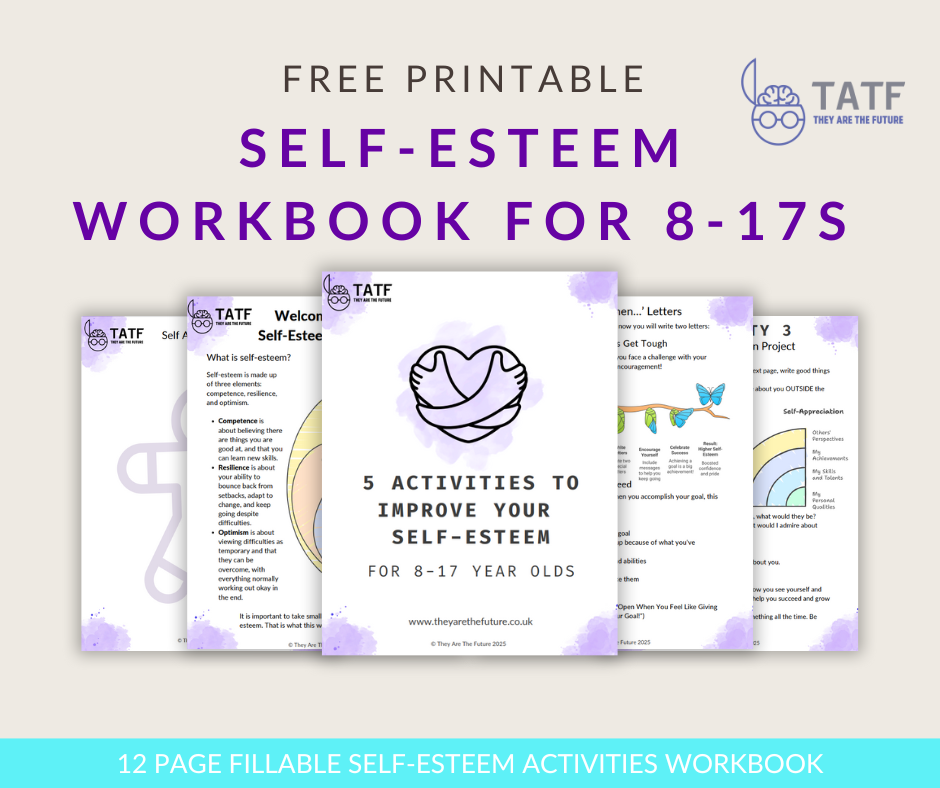
Help your teenager challenge negative self-beliefs and build confidence through practical activities.
A free 12-page printable with five activities to try together.
Help your teenager manage anxious thoughts and practise strategies for coping with anxiety.
Step-by-step activities to use at home, alongside support with school.
Build a menu of practical strategies for stress, sensory overload and difficult emotions.
Help your autistic teenager choose options they can use at home or school.
Choose focused support for the challenge your family is facing.

UK & INTERNATIONAL FAMILIES · COURSE
Build a practical plan to help your teenager manage anxiety.
Six self-paced modules with short videos, PDF guides and lifetime access.
UK & INTERNATIONAL FAMILIES · SHORT COURSE
Help your teenager start tasks, stay organised and keep going.
Practical tools for task avoidance and motivation, with neurodivergent needs in mind.

UK & INTERNATIONAL FAMILIES · PRINTABLE BUNDLE
Build self-belief through practical activities covering strengths, values, boundaries and self-care.
Eleven activity worksheets with guidance, suitable for ages 8–17.
Small, regular moments of connection count for a lot, such as chatting in the car, sharing a meal or joining in with something they enjoy. Listen more than you advise, and stay calm when they tell you something difficult, so they keep coming to you. Clear, consistent expectations help everyone feel more secure, even when your teenager pushes back. My article on walking on eggshells with your teenager explains how to reduce tension and communicate better.
Age alone is a poor guide, because every teenager is different. Give independence in small steps, starting with situations where your teenager feels safe and knows what to do, and agree clear limits together. As they show they can manage, gradually give them more freedom. My article on how much independence to give a 13-year-old helps you decide what is right for your teenager.
Resilience grows when teenagers face manageable challenges and discover they can cope. Help your teenager notice their strengths and who they can turn to for support, plan a “Plan B” for when things go wrong, and break big challenges into small steps. Looking back at a challenge they have already got through can boost their confidence too. My article on resilience activities for teens has practical exercises to try together.
The parts of the brain that handle planning and organisation keep developing into the mid-twenties, so many bright teenagers still find it hard to plan, start tasks and keep track of deadlines. Help your teenager by breaking work into small steps, using a simple planner or checklist and checking in regularly. My article on why smart teenagers can’t get organised explains how to help.
Teenage anxiety often shows up as irritability, avoiding things, trouble sleeping or physical symptoms such as headaches. Listen calmly, help your teenager notice the thoughts that fuel their worry and encourage small steps towards situations they find hard. My free teen anxiety worksheets introduce practical ideas from cognitive behavioural therapy (CBT, a talking therapy that looks at how thoughts, feelings and actions connect) for everyday life.
Explore more guidance below, with new articles added as they’re published.