
Low Frustration Tolerance in Children: What Helps

Low frustration tolerance in children means everyday difficulties, like a tricky maths question or a lost game, quickly feel overwhelming, so your child gives up, cries or has an outburst. You can help by spotting the early signs, keeping your support calm in the moment, and building coping skills through small, manageable challenges when your child is relaxed.
I’m a UK child clinical psychologist and I am the Clinical Director of Everlief Child Psychology, where we support families through assessments and the follow-up afterwards. Parents often tell me their child “gives up at the first hurdle” or “goes from zero to a hundred” over something small. It’s exhausting, stressful, and it can leave you worrying about their future.
Key Takeaways
- Frustration tolerance is the ability to cope with setbacks, disappointment and things not going to plan, and it develops gradually through childhood.
- Tiredness, hunger, anxiety and sensory overload all lower your child’s frustration tolerance on a given day.
- Your child builds resilience best by facing small challenges with you beside them.
What Low Frustration Tolerance Looks Like in Children
Children with low frustration tolerance might rip up a drawing that isn’t perfect, storm off when they lose a board game, or refuse homework the moment it looks hard. Some children have tantrums or shout; others go quiet, say “I can’t do it” and ask you to take over.
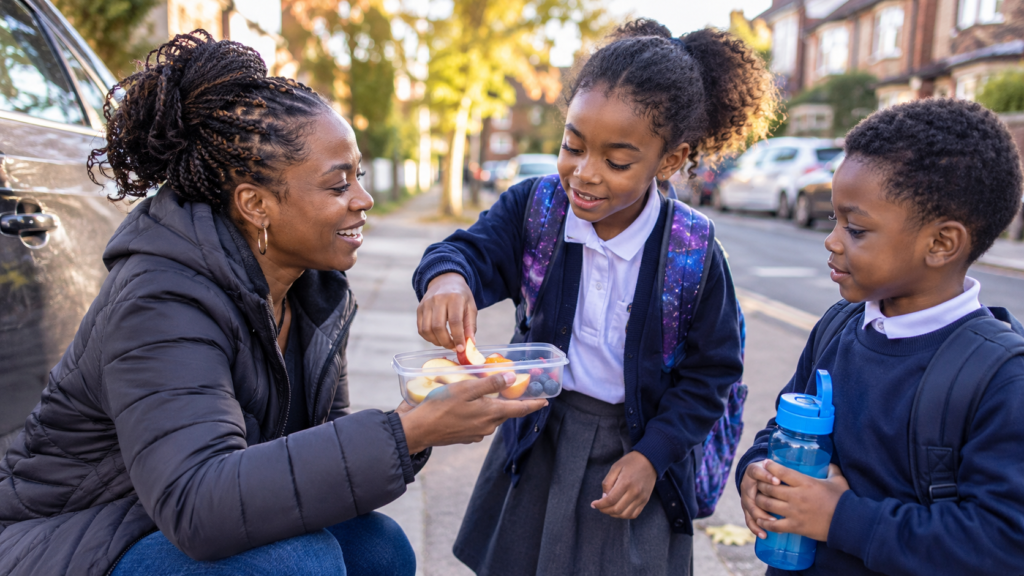
Ella, age 8 (not a real child, but based on many children I’ve worked with), finds it very hard to be told no, especially after school. She often has a meltdown in public, which is embarrassing for her mum and her siblings. Her mum took a problem-solving approach and started noticing what made these moments better or worse. She found that bringing a snack to collect Ella from school made a big difference. It helped keep Ella’s blood sugar steady and meant she coped much better when she heard the word no. Her mum also started telling Ella each morning exactly what would happen after school and what would not, for example, “We’re going straight home today, so there won’t be time to stop at the shop.” Knowing the plan in advance made it much easier for Ella to accept it when the time came.
Look underneath the reaction. Is the task too hard right now? Is your child worried about making mistakes? Are they tired or overloaded? Learning and language difficulties can make a task feel much harder than it looks.
How Low Frustration Tolerance Can Affect Your Family
Low frustration tolerance can affect the whole family. You and your other children may find yourselves treading on eggshells to avoid triggering an outburst, or avoiding days out and activities because you know your child will struggle to cope. Siblings can also feel frustrated when your child isn’t asked to do the same things as everyone else, and this can cause tension between them.
What’s Typical at Different Ages?
Frustration tolerance grows with age, so it helps to have age-appropriate expectations:
| Age | What’s common | What helps |
|---|---|---|
| 5 to 7 | Tears or tantrums over losing, waiting or mistakes | Name the feeling (“You’re cross because the tower fell”), stay close and keep your voice calm. Keep tasks short, give a warning before a change of activity (such as “two more minutes”), and have a snack or drink ready if they are tired or hungry. |
| 8 to 12 | Giving up, arguing or “I’m rubbish at this” | Break tasks into small steps and praise their effort and the strategies they use (“You kept trying a different way”). Agree a calm-down plan before tricky times, and tell them what is going to happen and what is not, especially after school. |
| 13 to 17 | Withdrawing, snapping or avoiding hard work | Wait until you are both calm before talking. Then problem-solve together by asking what would make it easier next time, and use their ideas where you can. Give them space when they are overwhelmed and let them know you are there when they are ready. |
Around age eleven onwards, many children become better at reasoning about strong emotions, although they still need to be calm before a useful conversation.
Use a Frustration Scale
A simple 0 to 10 scale helps your child notice rising frustration before it becomes overwhelming. Banner Health (US) suggests that 0 to 3 is a comfortable headspace, 4 to 6 is the best time to use a coping strategy, and anything above 6 means it’s time for a break.
Introduce the scale when your child is relaxed. Younger children often prefer colours or faces, and my anger thermometer works well for this. Watch for warning signs such as fast breathing, clenched fists or struggling to get words out.
What to Do When Frustration Rises
- Stay calm and use few words. Your steady voice helps your child’s body calm down, which is called co-regulation.
- Name the feeling. “That isn’t working the way you wanted. It’s frustrating.”
- Offer two choices. “Shall we take a break, or try one small part together?”
- Keep everyone safe. During a bigger outburst, focus on safety and space: “You’re cross. I won’t let you hit.”
- Reconnect afterwards. Once you’re both calm, talk briefly about what happened and what might help next time.
Practise coping strategies when your child is calm, so they’re ready when frustration rises. Some children calm best through movement, such as stretching, pushing against a wall or squeezing a cushion, rather than breathing exercises. My guide to emotional regulation activities for children has more ideas to practise when calm.

How to Help a Child With Low Frustration Tolerance
Repeated, safe exposure to frustration, with you alongside, is how children build tolerance and emotional regulation skills. Choose times when your child is rested and fed, and keep challenges small enough to manage with a little help.
- Build problem-solving skills. Name the problem, think of two options, try one, then see what happens.
- Encourage a growth mindset. “You haven’t learnt this bit yet. Let’s find a clue.”
- Praise effort and strategy. “You asked for help when you got stuck. That was a smart move.”
- Model your own coping. “I’m frustrated, so I’m going to take a short break before I try again.”
My article on building resilience in children explains more about growing persistence step by step.
Low Frustration Tolerance and ADHD
Low frustration tolerance is common in children with ADHD. In a study by Seymour and colleagues, 83% of children with ADHD gave up on a frustrating computer task (the Mirror Tracing Persistence Task), compared with 59% of children without ADHD. The same paper reports that emotion dysregulation (difficulty managing emotional responses) affects between 24% and 50% of children with ADHD, and that irritability is far more common in children with ADHD too.
Task persistence can be harder for children with ADHD because boring or tricky tasks take more effort to start and stick with. My article on ADHD and boredom explains why. Low frustration tolerance can also appear alongside anxiety or oppositional defiant disorder (ODD), but on its own it isn’t a diagnosis.
When to Ask for More Help
Low frustration tolerance in children can sometimes be linked with anxiety or other mental health difficulties. Speak to your child’s doctor or school if frustration regularly affects learning, friendships or family life, or if your child seems persistently anxious, low, refusing school or hurting themselves or others. Bring a few notes about triggers, sleep and what has helped.
End Emotional Outbursts: If outbursts are a regular part of your family life, my short course for parents of 7 to 13s gives you five ten-minute lessons, each with a workbook, to help your child have fewer outbursts. Find out more about End Emotional Outbursts (US$37, or £30 GBP).

Frequently Asked Questions
It usually comes from a mix of age, temperament and the moment: tiredness, hunger, anxiety, sensory overload, learning difficulties or a task that’s simply too hard. ADHD and autism can also make frustration harder to manage.
Look at their level of distress first. If they’re overwhelmed, pause. Once they’re calm, decide together whether to return with more help or a smaller goal. Asking for help is good progress in itself.
Frustration tolerance usually improves with age and practice. With calm support and small challenges, most children learn to recover more quickly and ask for help sooner.
Start With One Small Change
Choose one small change this week, such as offering a snack before homework or agreeing a pause phrase together. Notice what helps, and build on it.
Dr Lucy Russell is a UK clinical psychologist and Clinical Director of Everlief Child Psychology. She qualified as a clinical psychologist from Oxford University in 2005 and worked in the National Health Service for many years before moving fully into her leadership and writing roles.
In 2019 Lucy launched They Are The Future, a support website for parents of school-aged children. Through TATF Lucy is passionate about giving practical, manageable strategies to parents and children who may otherwise struggle to find the support they need.
Lucy lives with her family, rescue cats and dog, and also fosters cats through a local animal welfare charity. She loves singing in a vocal harmony group and spending time in nature.
