
ADHD vs Autism: Understand the Overlaps & Differences

Attention Deficit Hyperactivity Disorder (ADHD) and Autism Spectrum Disorder (ASD) are different conditions, yet day to day they can look very alike. If your neurodivergent child has either profile, you might see difficulties with communication, friendships, and emotional dysregulation.
The hard part is that the reasons behind those struggles are not the same, so the support that helps is not the same either.
If your child is given the wrong diagnosis, or if one condition is missed when both are present, you can end up trying the wrong approaches for months, sometimes years.
I’m Dr Lucy Russell, a clinical psychologist trained at Oxford University and in the National Health Service. I have 20 plus years of experience working with families, in the NHS and privately, and have led teams which carry out autism and ADHD assessments.
At my clinic, Everlief Child Psychology, you can access specialist assessments for Attention Deficit Hyperactivity Disorder (ADHD), autism (Autism Spectrum Disorder, or ASD), and combined assessments for both.

ADHD, Autism, or Both?
When you’re looking at ADHD vs autism and which assessment your child needs, it’s important to talk things through with a professional if you can, as the differences can be subtle. That early picture often points you in the right direction.
Here are the broad differences you are usually looking for.
ADHD is mainly about attention, impulsivity, and sometimes hyperactivity. Your child might start homework then drift off, fidget constantly, or interrupt without meaning to.
Autism mainly affects social communication. Your child might find tone of voice or facial expressions hard to read, lack variation in their tone of voice, or feel confused by the back and forth of conversation.
Even with these pointers, it can take a trained eye. For example, an autistic child can lose focus too, not because of ADHD, but because of sensory differences, stress, or overload. Or you may be seeing AuDHD. AuDHD is not an official term but describes someone who has both autism and ADHD.
When your child is both autistic and has ADHD, it helps to separate which needs sit where. What supports attention and impulsivity does not always support social communication and sensory needs, and the other way round.
When you understand the pattern, you and your child’s school and any other professionals involved have a better chance of putting the right help in place.
ADHD vs Autism: key differences
ADHD diagnosis
Attention Deficit Hyperactivity Disorder (ADHD) is a neurodevelopmental condition (difference in the way the brain works) linked with inattentiveness, impulsivity, and in some children hyperactivity. A full assessment looks at how your child functions across settings, not just at home or school. Clinicians use formal diagnostic criteria (including the DSM-5) and we always gather information from more than one source (such as home, school and clinic observations).
Autism diagnosis
Autism Spectrum Disorder (ASD, sometimes referred to as Autism Spectrum Condition or ASC) is also one of the neurodevelopmental conditions. It affects social communication, language use, thinking style, and behaviour, and it exists on a spectrum. Diagnostic criteria focus on social communication differences and patterns such as repetitive behaviours, restricted interests, and a strong need for sameness.
Similar signs in autism and ADHD
When comparing ADHD vs autism, it helps to know that some traits can show up in both. Those overlapping symptoms are one reason adhd vs autism in kids can be difficult to spot at first.
You might see:
- Inattention
- Executive dysfunction, such as organisation, time keeping, and finishing tasks
- Friendship struggles, but often for different reasons
- Learning differences
Can your child have both ADHD and autism?
Yes, your child can experience the co-occurrence of both ADHD and autism. In clinic, you may be offered a combined assessment for dual diagnosis, when the history and screening suggest it fits.
Overlapping symptoms can look similar on the surface, but they do not always work the same way underneath. For example, ADHD often affects attention across many parts of life, while an autistic child may focus intensely on a preferred topic or activity (hyperfocus). This is another part of the adhd vs autism overlap that can confuse things.
Are ADHD and autism separate conditions?
Yes, at the moment this is the general view. There is overlap, but ADHD and autism are still seen as distinct neurodevelopmental conditions. ADHD criteria focus on inattention and impulsivity (and sometimes hyperactivity). Autism criteria focus on social communication differences and repetitive or restricted patterns of behaviour. Clear identification matters because it guides the support your child receives.
Symptoms and behavioural patterns
ADHD symptoms
If your child has ADHD, you may notice difficulties with focus, organisation, and completing tasks. ADHD presentations are often described as:
- predominantly inattentive
- predominantly hyperactive-impulsive
- combined
In real life, that can look like forgetfulness, losing items, rushing work due to hyperactivity or impulsivity, constant movement, blurting out, or struggling to wait. Many children also find executive functions hard, like planning, problem solving, and managing time.
Autism symptoms
Autism is lifelong and affects social interaction, communication, and understanding. You may see:
- difficulty reading non-verbal cues (facial expression, gestures)
- reduced or different eye contact
- differences in understanding emotions, both their own and other people’s
- differences in speech and language (some children have delayed speech, others speak early but struggle with back and forth talk)
Many autistic children also show:
- stimming or repetitive movements or speech (for example rocking, repeating phrases)
- restricted interests
- a strong preference for routine
- sensory processing differences or sensitivities (sound, light, touch, textures, smells)
When you hold the full picture in mind, it is easier to target the support that fits your child.

Social interaction and communication
ADHD and social skills
With ADHD, social difficulties often come from attention and impulse control. Your child might miss social cues because they are distracted, talk over others, or shift topic quickly. Other children may read this as rudeness, even when your child is trying their best. This can come with rejection sensitivity (common in both ADHD and autism), leaving your child deeply distressed by perceived slights.
You can try:
- practising turn taking in calm moments, using short games and clear rules
- teaching “active listening” in simple steps (look, listen, wait, respond)
- naming social cues as you notice them (facial expressions, body language)
- keeping expectations clear before play dates (one or two rules is enough)
Autism and social interaction differences
With autism, the social difficulty is more about how social communication is understood and used. Your child may not pick up unspoken rules, may interpret language literally, or may feel unsure how to join in. Sensory overload can also make social situations feel too much, especially in noisy or busy settings.
You can try:
- gently coaching social rules directly, without pressure
- practising one part at a time (greeting, asking to join, ending a chat)
- creating a calm base, so your child can take breaks when overwhelmed

Organisation, planning, and transitions
Both ADHD and autism can involve executive dysfunction, affecting planning, organisation, and change. With ADHD, your child may struggle to prioritise, start tasks, or keep track of time. With autism, your child may find unexpected changes upsetting, even if they cope well with routine demands.
Tools that often help:
- visual supports (calendars, checklists, step by step charts)
- timers and reminders for starting and stopping tasks
- clear plans for transitions (what’s happening, when, and what comes next)
- gentle practice with small changes, so flexibility grows over time
Strengths in ADHD and autism
Your neurodivergent child is more than a list of difficulties. ADHD and autism can bring real strengths, and noticing them helps your child feel understood and capable.
Creativity and problem solving
Many children with ADHD produce lots of ideas quickly and find unusual solutions. Many autistic children think deeply, spot patterns, and build strong knowledge in areas they care about.
Energy and drive
ADHD can come with high energy and enthusiasm. With the right outlet, that can lead to high achievement in sport, performance, leadership, or hands-on learning.
Attention to detail
Many autistic children notice details others miss. That can mean they have sought after skills in art, coding, music, maths, drama, or any area where careful observation matters.
Sticking power
Living with ADHD or autism often means facing extra hurdles. Over time, many children build persistence, courage, and a strong sense of self, especially when the adults around them keep support steady.
Different learning styles
Your child may learn best through doing, talking it through, visuals, movement, repetition, or deep focus on interest-led topics. When school and home match teaching to learning style, progress often feels easier.
Support options
Understanding from others
Support starts with other people “getting it”. When family, friends, and school understand your child’s needs, day to day life becomes safer and calmer. ADHD and autism are lifelong, so it helps to build a circle of adults who respond with patience, clarity, and respect.
Adapting the environment
Small changes in the environment can reduce stress fast. Your child may do better with:
- a quieter workspace
- fewer distractions
- predictable routines
- sensory supports (for example ear defenders, a fiddle item, softer lighting)
In school, adjustments to teaching and tasks can make learning more accessible.

Using strengths and interests
You can build your child’s confidence by making room for what your child enjoys and does well. Strengths and interests can also support friendships, stress relief, and motivation. This works best when the diagnosis is clear, so you are not pushing your child towards targets that do not fit their profile.
Talking therapy and creative therapies
I often say that the world isn’t set up for neurodivergent people, including ADHD and autism. So it’s not that there’s something wrong with your child, it’s that they’re expected to fit into a world that isn’t designed for their needs. This may mean they need some support.
Depending on your child’s needs, you can explore:
- cognitive behavioural therapy (CBT) or behavioural therapy
- play-based work for younger children
- art or music-based therapy
Therapy can help your child understand feelings, build coping skills, and practise new ways of responding.
Occupational therapy
Occupational therapy can support everyday skills such as:
- planning and organisation
- handwriting and fine motor skills
- sensory needs
- self-care routines
Early support can make school and home life easier to manage.
ADHD medication
ADHD medication can be a potential support option after diagnosis. Discuss it with a specialist to see if it is suitable for your child. In the UK, ADHD medication is usually prescribed by a paediatrician or child and adolescent psychiatrist.
Speech and language therapy
Speech and language therapy can help if your child struggles with:
- understanding and using language
- conversation skills and pragmatic language (the “social rules” of talking)
- expressing needs clearly
Support here often improves confidence and reduces misunderstandings.
Living with ADHD and autism day to day
On my website I have a large selection of articles covering specific areas of ADHD and autism for parents, so below is just a basic overview for those new to autism or ADHD.
ADHD in everyday life
If your child has ADHD, the hardest parts are often time, organisation, staying on track, and emotional dysregulation. You can support with:
- a planner or shared calendar
- alarms and reminders for transitions
- breaking tasks into small steps, with short breaks
- clear routines for mornings, homework, and bedtimes
Autism in everyday life
If your child is autistic, sensory input and social demands can take a lot of energy. You can support with:
- predictable routines, so your child knows what to expect
- tools for sensory comfort (noise-cancelling headphones, a calm corner, sensory toys)
- coaching social and emotional skills in a gentle way that is gentle and child-led
A note on ADHD vs autism in girls
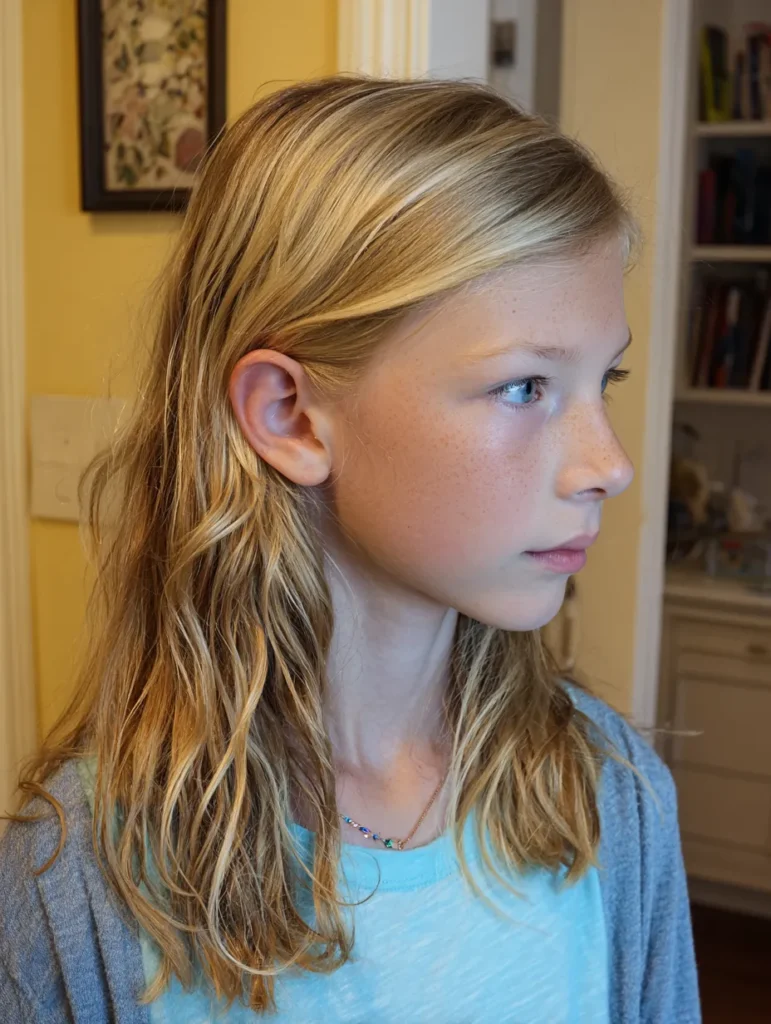
You may notice that adhd vs autism in girls can be harder to spot. Many girls mask difficulties at school, copy peers, or keep stress inside until they get home. Girls can also be labelled as anxious or shy, when the underlying picture is ADHD, autism, or both (AuDHD). When you keep this in mind, you are less likely to dismiss early signs.
When you understand your child’s full ADHD vs autism profile – which comes with a thorough assessment – you can put practical supports around them, protect their self-esteem, and help them build skills that last.

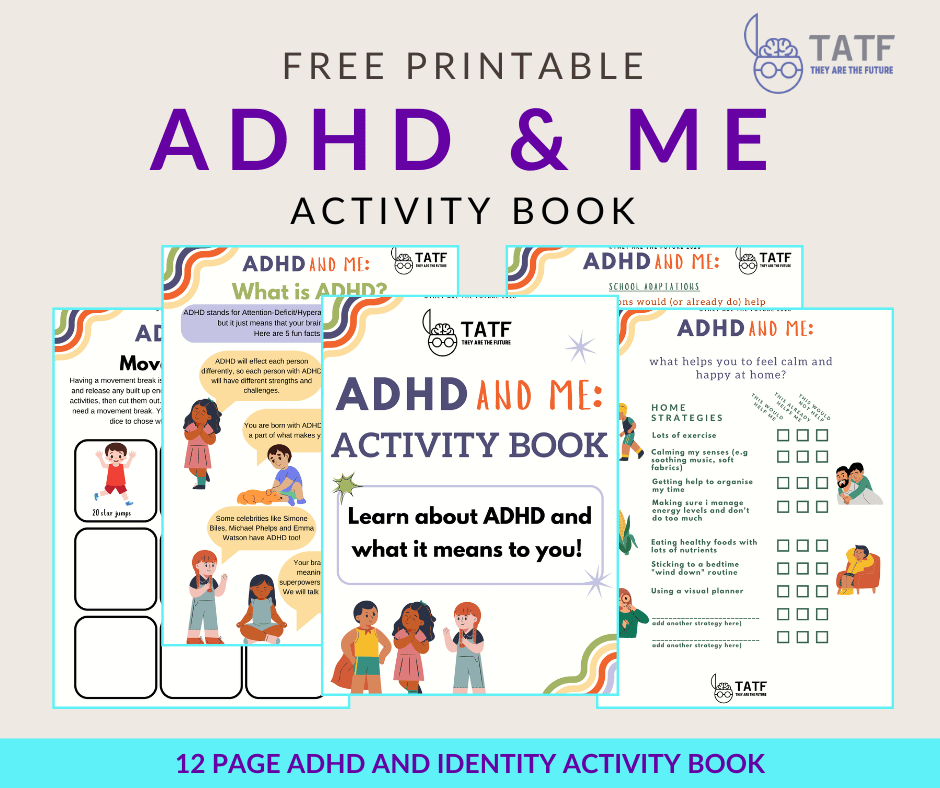
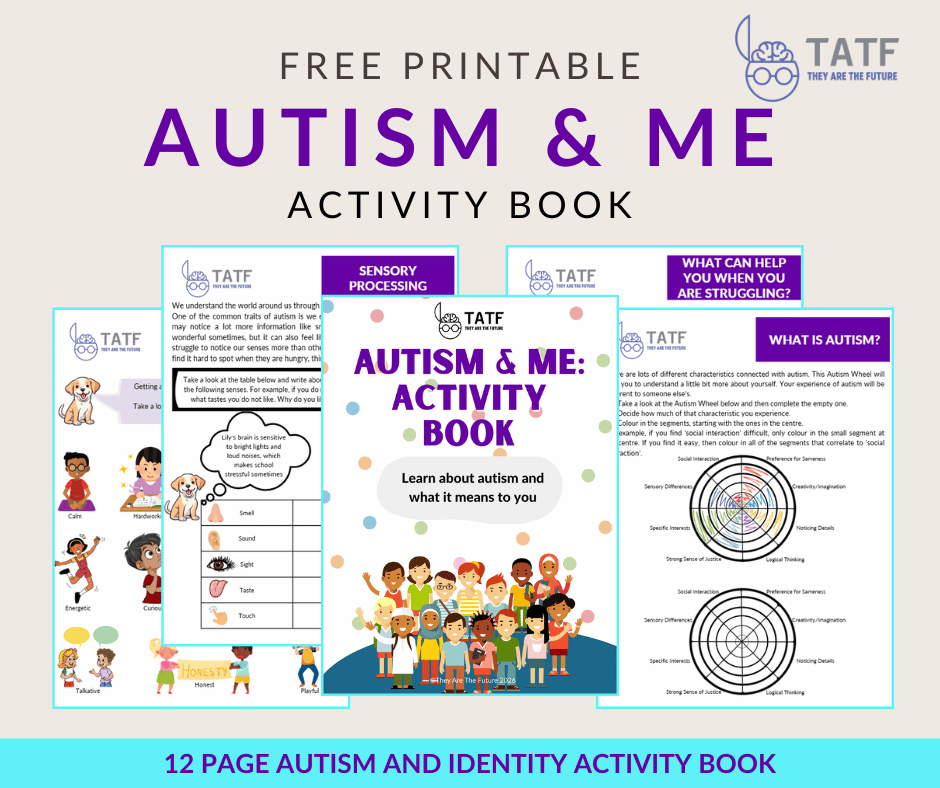
Dr Lucy Russell is a UK clinical psychologist and Clinical Director of Everlief Child Psychology. She qualified as a clinical psychologist from Oxford University in 2005 and worked in the National Health Service for many years before moving fully into her leadership and writing roles.
In 2019 Lucy launched They Are The Future, a support website for parents of school-aged children. Through TATF Lucy is passionate about giving practical, manageable strategies to parents and children who may otherwise struggle to find the support they need.
Lucy lives with her family, rescue cats and dog, and also fosters cats through a local animal welfare charity. She loves singing in a vocal harmony group and spending time in nature.
