
8 Fun Life Skills Activities for Kids to Boost Their Confidence
By Dr Lucy Russell, Clinical Psychologist and Founder of They Are The Future

In this article, I will share eight fun life skills activities for kids that not only teach practical skills but also give children a real sense of accomplishment and confidence.
Each activity is easy to set up at home, involves minimal expense, and is backed by research and my own experience as both a psychologist and a mum. I will also offer tips for making these activities work for your family, and introduce a resource that can help you support your child’s emotional wellbeing.

Why Teaching Life Skills Matters
Life skills are the building blocks of independence, resilience, and self-esteem.
When children master new skills, whether it’s tying shoelaces or managing pocket money, they see direct results from their efforts. This cause-and-effect experience is a powerful confidence booster.
As a parent, you are in the perfect position to weave these skills into everyday life, so that month-on-month, you will look back and see genuine progress with your child’s life skills.
1. Cook or Bake Together
Skill taught: Following instructions, measuring, kitchen safety
Confidence boost: Children see (and taste) the results of their efforts.
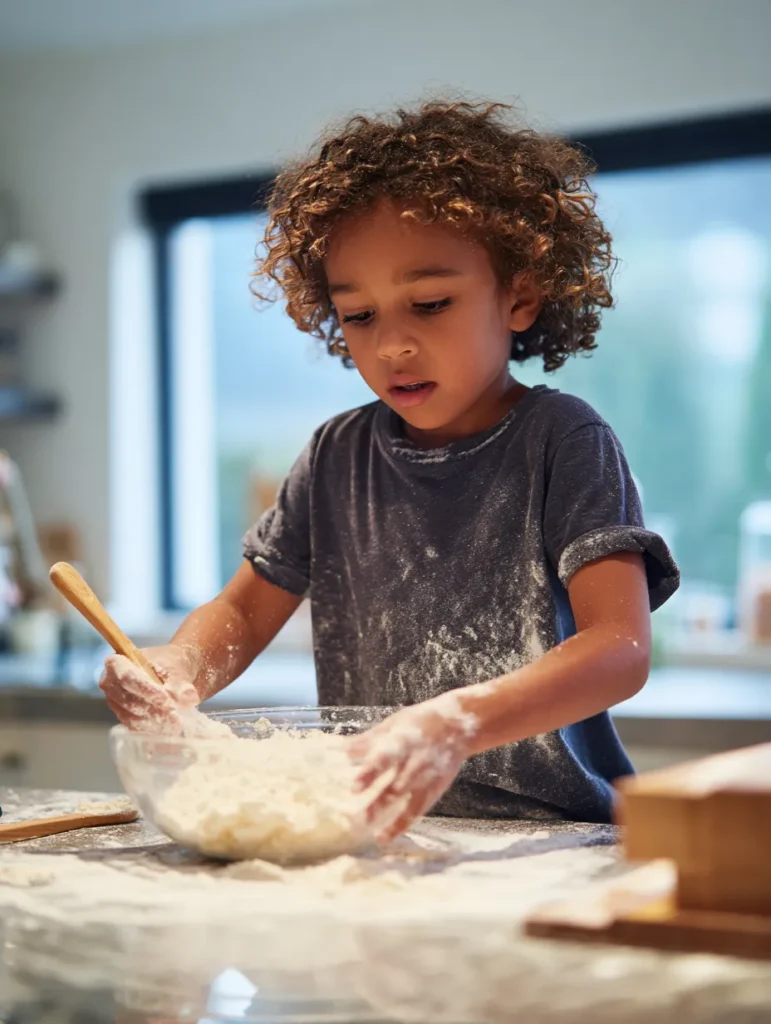
Let your child choose a simple recipe, such as pancakes or fruit kebabs. Write out the steps together, gather ingredients, and let them take the lead with tasks like measuring ingredients or stirring. The sense of “I did that!” when they see the finished dish is priceless.
2. Token Management Game
Skill taught: Basic budgeting, saving versus spending
Confidence boost: Making their own spending decisions helps children feel in control.
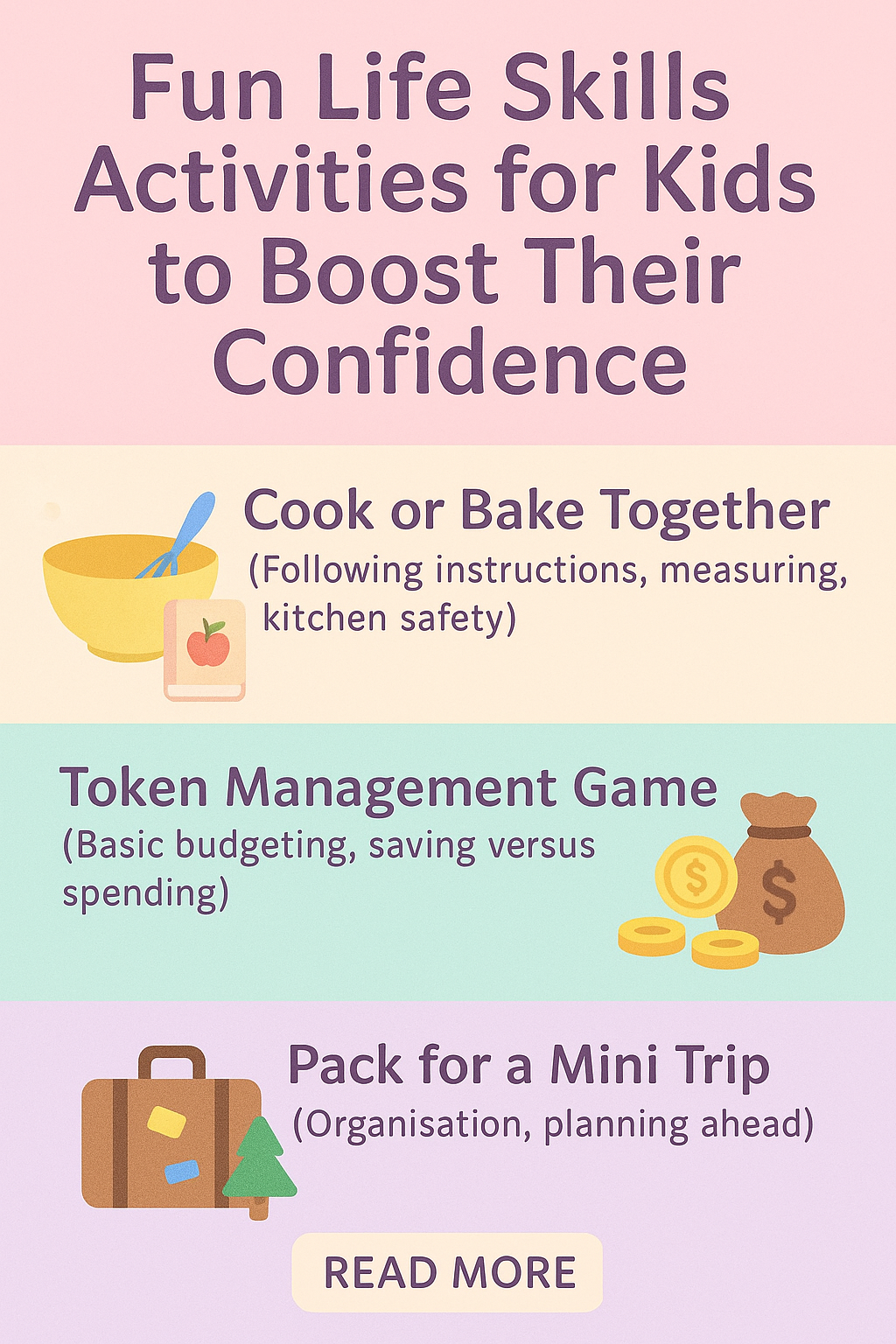
Use home-made tokens and give your child a weekly allowance for activities. Let’s say 10 tokens. Tokens are spent on activities like a trip to the park, baking cakes, or bigger trips like the cinema. Your child can choose to spend their tokens on smaller activities or save up for the bigger ones. Let your child allocate their allowance, track it on a simple chart, and discuss their choices at the end of the week.
3. Pack for a Mini Trip
Skill taught: Organisation, planning ahead
Confidence boost: Packing independently builds trust in their abilities.
Whether it is an overnight stay at grandma’s or a day at the park, have your child create a packing list and pack their own bag. Review the list together and problem-solve any missing items. This activity is a great way to develop practical life skills and personal responsibility.
4. “My Chore, My Responsibility” Chart
Skill taught: Household management, responsibility
Confidence boost: Regularly completing chores shows children they are capable helpers.
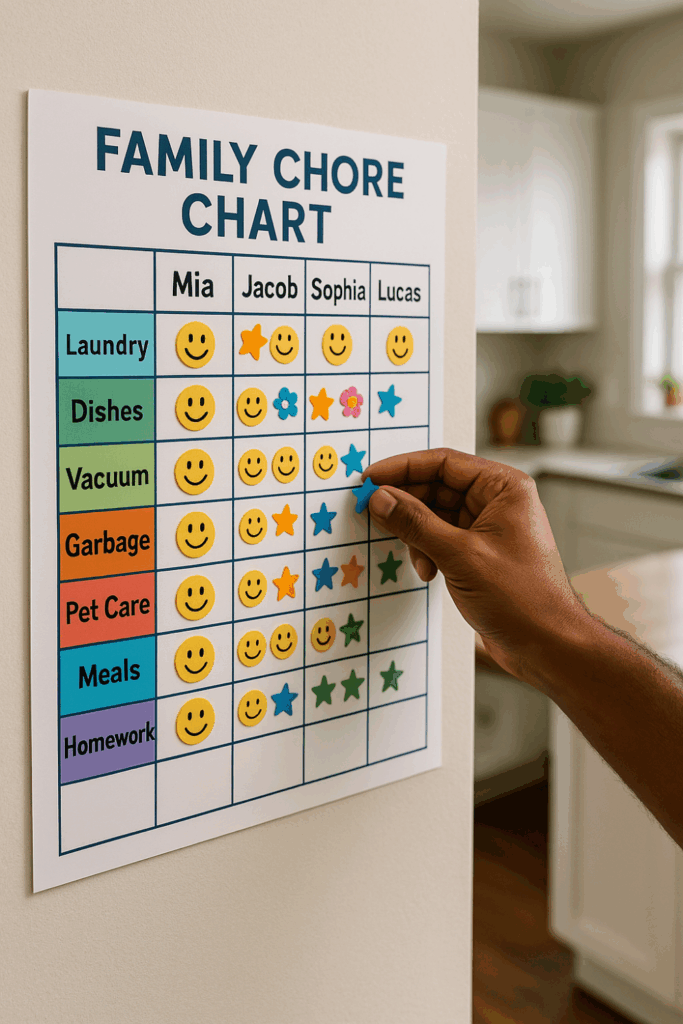
Co-create a weekly chore chart with age-appropriate tasks, like making the bed or watering plants. You could add a simple reward system, perhaps earning a star for each completed task and trading five stars for a small privilege. However, as a psychologist I do not advise any sort of negative consequences for not completing the chores.
This approach works well in a life skills classroom or at home.
5. Show-and-Tell or Mini “Ted Talk”
Skill taught: Public speaking, communication
Confidence boost: Presenting to an encouraging audience builds communication skills and self-esteem.
Once a week, invite your child to prepare a short presentation on something they love: a favourite animal, a recent LEGO build, or a book. The family can listen and ask friendly questions. This is one of my favourite soft skills activities for kids, because it encourages both confidence and connection.
TAKE THE QUIZ!
6. DIY Project
Skill taught: Planning, fine motor skills, problem-solving
Confidence boost: Completing a real-life household project creates pride in their craftsmanship and manual skills.
Help your child build a simple wooden bird feeder using a basic kit or pre-cut pieces from a hardware shop. They can sand the wood smooth, drill pilot holes (with supervision), assemble pieces with screws, and apply weather-resistant finish.
Once mounted outside a window or in a garden, they’ll experience the satisfaction of watching birds regularly visit something they built with their own hands. This teaches practical woodworking skills while creating something that serves a real purpose and provides ongoing enjoyment.
7. Garden a “Smile Garden”
Skill taught: Plant care, patience, responsibility
Confidence boost: Watching something grow because of their efforts reinforces self-efficacy.
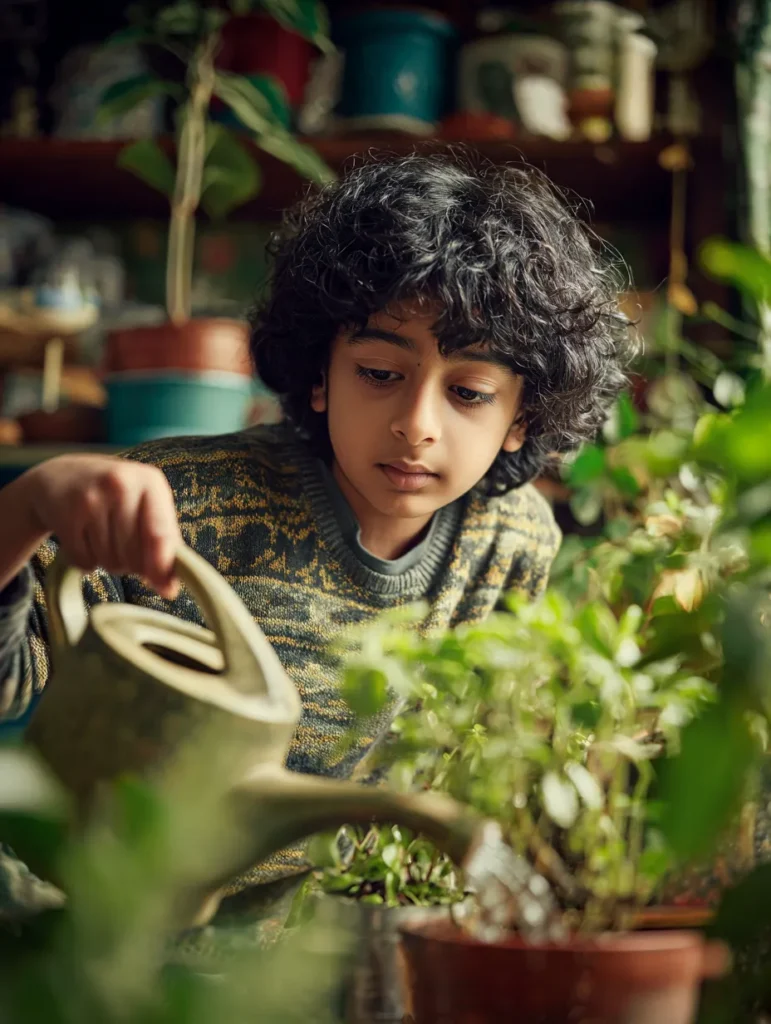
Give your child a pot or patch of soil, some seeds (sunflowers, nasturtiums or cosmos are great for beginners), and a watering schedule. Have them record plant growth in a “garden diary.” This is a wonderful way to teach practical life activities and nurture a sense of responsibility and patience.
In my view patience is a hugely under-rated skill and one which many of us lack these days, because we are all getting used to instant gratification. The rewards are huge if we take the time to hone the skill.
8. Daily “Mindful Minute” & Gratitude Journal
Skill taught: Emotional regulation, self-awareness
Confidence boost: Reflecting on strengths and successes builds a positive self-image.
Wind down each evening with a “mindful minute” of deep breathing, creating a quiet moment for your child to pause and reflect. Then have them write or draw three things they felt grateful for or good about that day. This simple daily practice helps children notice positive moments and builds confidence by shifting focus from what went wrong to what went right.
Tips for Success With Life Skills Activities
- Keep instructions visual: Use charts and pictures to boost independence.
- Celebrate effort over perfection: Praise how carefully your child tries, not just the outcome.
- Rotate activities: Match your child’s interests: sports-inspired chores, art-based cooking, and so on.
- Let kids lead: Be a coach or sounding board, not the director.
- Frame mistakes as learning: Ask, “What can we try differently next time?”
These activities are not just for young children. Many can be adapted as life skills for teens, or used as social skills activities for kids who need extra support.
Supporting Emotional Wellbeing Alongside Life Skills
Building life skills is a powerful way to boost confidence, but sometimes children need extra support with their overall wellbeing. That is why I created my On-Demand Mini Course: Reset Your Child’s Wellbeing. This 3-part mini course looks at 3 key areas of children’s wellbeing and how to improve them, so you can support your child’s overall wellbeing and enjoy calmer, happier family life.
If you are ready to take the next step in supporting your child’s confidence and emotional wellbeing, I invite you to explore the Reset Your Child’s Wellbeing Course. It is packed with strategies you can use right away, and it is designed to fit busy family life.
Related Articles
8 Ways To Build Your Child’s Growth Mindset and Grit for Lifelong Confidence
Autism & Independent Living Skills For Teens and Tweens
8 Ways To Help Your Teen Get Ready For Adult Life
Dr Lucy Russell is a UK clinical psychologist who works with children and families. Her work involves both therapeutic support and autism assessments. She is the Clinical Director of Everlief Child Psychology, and also worked in the National Health Service for many years.
In 2019 Lucy launched They Are The Future, a support website for parents of school-aged children. Through TATF Lucy is passionate about giving practical, manageable strategies to parents and children who may otherwise struggle to find the support they need.
