
The Invisible Child in School: Why Quiet Children Are So Easy To Miss

In every classroom there are invisible children who slip past the notice of adults. They sit quietly, finish their work, cause no trouble, and go home with a neat book bag and tired eyes. Such a child often looks fine, but feels anything but fine, often feeling unnoticed.
As a clinical child psychologist, and as someone who was once an invisible child in school myself, I understand this from both sides. I remember keeping my head down, doing my work, and trying not to be a bother, for fear of being told off.
When I talk about an invisible child in school, I mean a pupil whose needs, feelings, and strengths are easy to miss because they don’t draw attention. This matters for every parent and teacher, because the quiet child is just as likely to be among children who struggle with anxiety, low mood, or learning as the louder child. They simply suffer in silence.
Let’s look at what we can do about that.
What does it mean to be an invisible child in school?
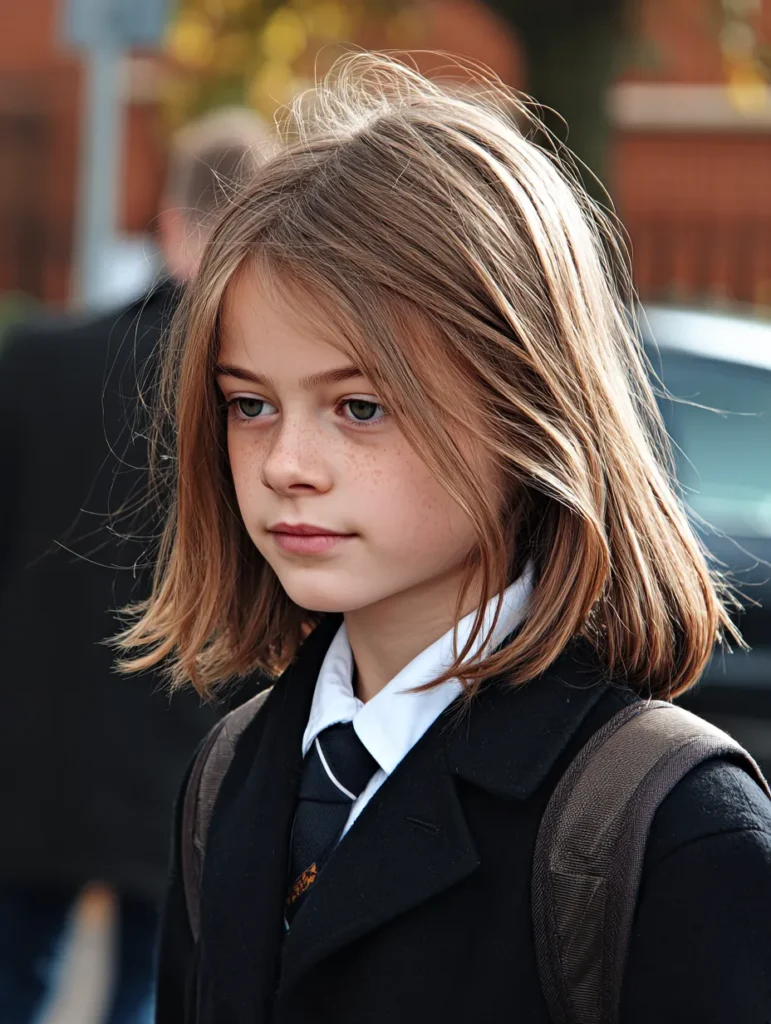
The phrase invisible child in school describes a pupil who is present, but rarely truly seen. They are the ones described as “fine”.
On the surface they may look like a teacher’s dream. They follow the rules, hand in homework, and do not argue. Reports often say things like “no problem”, “quiet”, or “gets on with it”.
Picture a child who:
- Always complies when asked to move seats or change partner
- Never puts their hand up, even when they are stuck
- Is rarely chosen for group work, sports, or classroom jobs
- May sit at the edge of the group in lessons and at lunch, experiencing social exclusion
In a busy classroom, that child feels like one less thing to worry about. With pressure to meet targets and manage behaviour, it is natural for teachers to feel grateful for the pupil who doesn’t add to the load. Invisible children like this blend seamlessly into the background.
I remember being that child. I kept my head down, worked hard, and hoped that if I did everything right, nobody would be cross with me. I did not want to take up space.
The problem is that adults often only notice children when they cause something: noise, conflict, or extra work. The invisible child does not cause trouble, so their tiredness, anxiety, or loneliness become easy to overlook. Their silence is misread as contentment.
Over time, this shapes how they see themselves. They may start to believe they are less important than their louder classmates and that adults are simply too busy for them.
How an invisible child in school looks on the surface
On the outside, invisible children are usually:
- Quiet, often speaking only when spoken to, much like introverted students
- Compliant and polite
- Well behaved, with no detentions or behaviour notes
- Low on the priority list because they seem to be “managing”
Teachers might describe them as “no bother”, “so easy”, or “just gets on with it”. In a class of thirty, that can feel like a relief.
From my own school experience, I know how easy it is to fall into this role. I sat at the back when I could, scribbled away in my books, did as I was told, and tried not to ask for help. If the teacher did not notice me, that felt safer.
What is really going on inside for these children
Inside, the story is often very different. Many invisible children:
- Feel unimportant or “less than” their louder peers
- Worry that speaking up will annoy or burden adults
- Believe they should cope alone
- Feel anxious about getting things wrong or being judged, even though they need to know that making mistakes is okay
In therapy, I often hear versions of the same sentence from children and teens: “Other people need help more than me.” They have learnt to shrink themselves.
From a psychology point of view, this pattern links with self-esteem, anxiety, and student motivation. When a child feels unsure of their worth, they try to stay small to avoid rejection or criticism. Staying quiet brings short-term safety, but long-term costs. Their needs go unmet, friendships may feel shallow, and without feeling valued, teachers rarely get the full picture of their struggles.
Resources such as YoungMinds’ information on anxiety in children can help adults recognise that anxiety does not always look noisy or dramatic. Sometimes it looks like a child who never complains.
TAKE THE QUIZ!
Why some children become invisible at school
Children rarely become invisible on purpose. Invisibility is usually an adaptation that once made sense for them.
Broadly, there are three groups of influences: home life, school pressures, and the child’s own traits or neurodiversity.
Home and early experiences that teach children to stay small
Many children learn early that adults are stressed, rushed, or preoccupied. They may grow up with:
- A sibling who has high medical needs such as long-term illness, educational, or behaviour needs
- Parents who are under financial or emotional pressure
- A home where anger or conflict feels close to the surface
In these families, a child may quietly decide, “I won’t add to the stress. I’ll look after myself.” They become the “easy” one, the helper, the child who never makes a fuss.
In therapy with children and teens, I often hear stories like, “Mum has enough to deal with,” or, “Dad worries about my brother more.”
The NHS guidance on children and young people’s mental health stresses how home stress can affect how children cope at school. For invisible children, coping can look very tidy from the outside.
Classroom pressures that make quiet children disappear
School systems can also encourage invisibility, without meaning to. The classroom environment, with large classes, limited teacher time, and a focus on grades and behaviour pulls attention toward:
- High achievers who need stretching
- Children with obvious behaviour difficulties
- Pupils with diagnosed special educational needs
Quiet children often receive the least one-to-one attention. Their silence keeps the room calm, so in the short term it benefits everyone else.
This is not about blaming teachers. It’s hard to offer regular check-ins with every child. But recognising that systems reward quietness helps us remember to look more closely.
Personality, anxiety, and neurodiversity
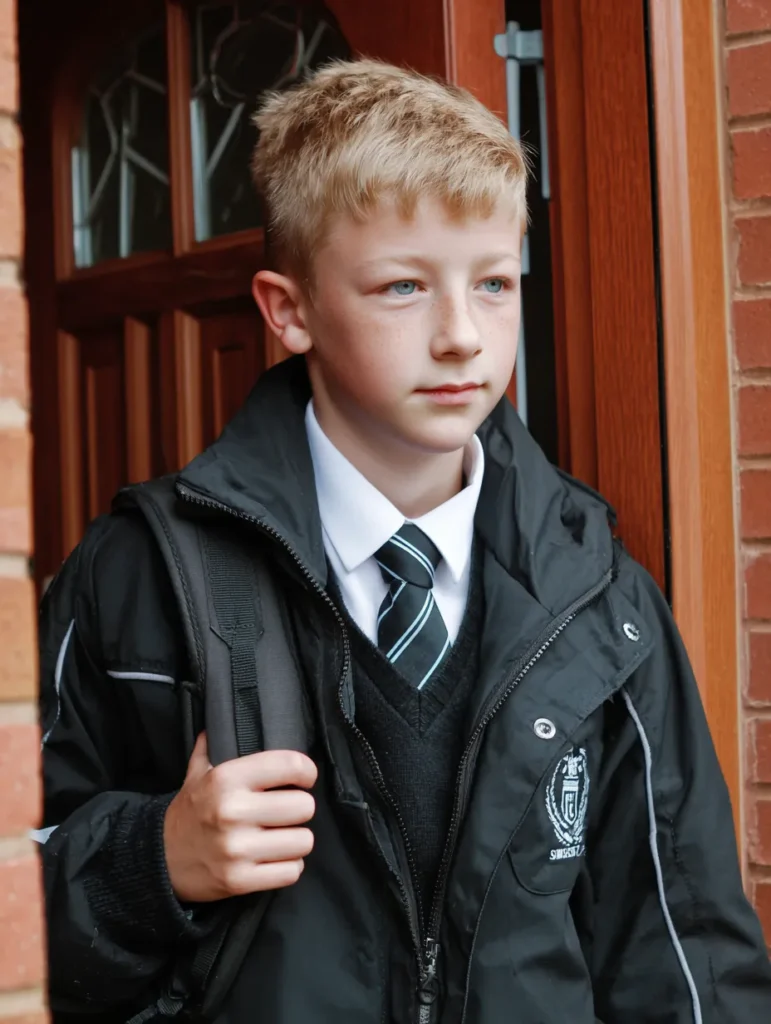
Some children are naturally shy or introverted (like me!). They find large groups draining, especially group work and collaboration, and prefer to watch before joining in. That is not a problem in itself.
However, mix introversion with:
- Social anxiety
- Autism
- ADHD, especially in girls and quieter boys
and the risk of becoming an invisible child in school rises.
Many autistic children, particularly girls, “mask” their differences in class. They copy others, work hard to fit in, and hold in their distress until they get home, which in the end can lead to prolonged school absence. These children may require an Education Health Care Plan (EHCP) for support.
You might like to read more about this in my article on autism in girls and how it can be missed. The National Autistic Society’s education pages also explain how masking can hide real struggles.
Some children with ADHD also go unseen because they are more inattentive than hyperactive. They stare out of the window, miss instructions, and then quietly panic inside.
In all these cases, invisibility is a way to stay safe in a world that feels too loud, confusing, or demanding.
How parents and teachers can help an invisible child in school feel seen
This is the hopeful part. Small, steady changes from adults can transform how a quiet child sees themselves.
Spotting the quiet child who is struggling silently
Look out for quiet children who:
- Rarely ask for help, even when work is hard
- Always say they are “fine”
- Have sudden drops in marks or effort
- Complain of headaches or tummy aches before school, which can signal issues with school attendance
- Sit alone at lunch or in group tasks
- Seem “too good” or overly eager to please
If something in your gut says, “Something is not right,” trust that. Find a calm, private moment and say something like:
“I’ve noticed you are very quiet and work so hard. Sometimes quiet children get missed, and I don’t want that for you. Let’s have a chat about how you are finding things at school.”
Give them time. Many invisible children need several gentle invitations before they open up. The provision of support and recognition here is key. Sites like the Anna Freud Centre’s advice for parents and carers offer helpful phrases if you feel stuck.
Small everyday actions that help a child feel noticed
You do not need grand gestures. The magic is in the small, steady things.
Some simple ideas:
- Greet them by name each morning, with eye contact and a smile
- Offer a brief one to one check-in once or twice a week to provide individualized support
- Use specific praise, for example, “I noticed you kept going when that was tricky”
- Give them a small classroom role, like handing out books (these roles and check-ins boost student engagement)
- At home, build a predictable five-minute “check-in time” each day with parental encouragement
Over time, these tiny signals tell the child, “You matter enough for me to notice you.”
If you want ideas for building self-belief and confidence in a gentle way, you may like my article on how to build your child’s confidence. For home structure, my post on simple school night routines can also help.

Teaching children to speak up and ask for what they need
We can also coach children to take small steps towards self-advocacy using inclusive teaching strategies.
Try:
- Practising simple scripts at home, such as “Mrs Rogers, I’m stuck on question 3”
- Role play of asking a teacher for help
- Encouraging them to write a note if speaking feels too hard
- Agreeing a quiet signal with the teacher, like placing a card on their desk
Parents and school staff should work together so the child is not doing this alone, perhaps using a communication journal. A quick email to the teacher explaining, “My child finds it hard to ask for help, could we agree a simple system?” can make a big difference.
Progress is usually uneven. Some days the child will speak up, other days they will shrink back. Stay patient, notice every small step, keep your tone warm rather than pushy, and maintain a positive environment. Over time, these children can move from invisible to quietly confident, with the right support and recognition.
Final thoughts on the invisible child in school
An invisible child in school is not a problem child. These invisible children are students whose feelings and needs are easy to miss because they have learnt to stay small. As a clinical psychologist, and as someone who once sat silently in those rows of desks, I know how powerful it is when even one adult really sees you. My year 5 teacher did that, and she helped build my confidence through netball. I even became vice-captain of the school team!
The good news is that you do not need hours of spare time to change a child’s story. You only need a few intentional moments, repeated often, to offer support and recognition. This week, choose one quiet child and one small change, perhaps a daily greeting, a check-in, recommend a book, or a new classroom role. For that child, it may be the start of feeling seen, valued, and heard.
Dr Lucy Russell is a UK clinical psychologist and Clinical Director of Everlief Child Psychology. She qualified as a clinical psychologist from Oxford University in 2005 and worked in the National Health Service for many years before moving fully into her leadership and writing roles.
In 2019 Lucy launched They Are The Future, a support website for parents of school-aged children. Through TATF Lucy is passionate about giving practical, manageable strategies to parents and children who may otherwise struggle to find the support they need.
Lucy lives with her family, rescue cats and dog, and also fosters cats through a local animal welfare charity. She loves singing in a vocal harmony group and spending time in nature.
