
What to Do While Waiting for Autism Assessment For Your Child

Waiting for an autism assessment can leave you worried, exhausted and unsure what support is needed. You may feel as though family life is on pause, whilst your child’s needs are happening now.
If you are searching for what to do while waiting for autism assessment, you want practical help, so your child can still move forwards. You don’t need a formal diagnosis before making thoughtful changes at home or asking school for support.
At my clinic, Everlief Child Psychology, now in its 15th year, my team and I specialise in supporting families through assessment and follow-up care. My own NHS background taught me that autism and other neurodevelopmental conditions can look very different from one child to another, so it helps to focus on the strengths, barriers and patterns you can see in your own child.
What to Do While Waiting for Autism Assessment: Your Child’s Needs Now
Start with the life your child is living today. A diagnosis may bring clarity, but it isn’t the starting gun for support.
How Long Is the Wait for an Autism Assessment for Children?
Waiting times for a child’s autism assessment vary a great deal by area, and many families wait well beyond the NHS’s target, sometimes for a year or more depending on local services and demand. If you have not heard anything for a long time, contact your GP surgery or local neurodevelopmental service directly to check your position on the waiting list and ask whether anything has changed.
You may also have the right to choose an alternative NHS-funded provider under the NHS Right to Choose, which can sometimes shorten the wait. Some services ask you to complete a screening questionnaire before your appointment is confirmed, so do return this as soon as you can to avoid extra delay.
Try to notice when things are becoming difficult for your child, and reduce demands where you can. Adding a bit more predictability really helps too. If your child becomes distressed, try to see it as communication rather than defiance. They may be overwhelmed, anxious, confused, or unable to explain what they need.
For example, a child who comes home overwhelmed after school may not be “saving bad behaviour” for home. They may have used all their energy coping. A snack, 30 minutes of quiet, and fewer questions before homework can change the whole afternoon.

Keep a simple record of your child’s needs and strengths
A brief dated log, sometimes called a behaviour diary, can help you spot patterns and give the assessment team a clearer picture. You might note what happened before, during and after a difficult moment.
You might also note any changes in routine, sensory triggers such as distress at certain tastes or textures, sleep, eating, friendships or school demands, alongside how long your child needs to recover afterwards. Do write down their strengths too: the character traits that make them “them”, the interests they love, what helps them feel calm, and the moments they seem most confident.
School reports, pieces of work and short videos made safely at home can sometimes be useful too. You don’t need to analyse your child every day or build a case for diagnosis. Think of the record as a way for the assessment team to understand your child more accurately and clearly. The National Autistic Society’s guidance for families waiting for assessment offers further ideas.
Make home life predictable, not rigid
Predictability helps many autistic children feel safer. A visual timetable (sometimes called visual schedules), a timer before transitions, and clear “first-then” language can reduce the amount of talking and reminding you need to do.
Try, “First shoes on, then you can choose the music in the car.” Offer choices inside a firm boundary, such as choosing between two jumpers or deciding whether bath time comes before or after a story.
Think about how you prepare your child for appointments, visitors, holidays and changes to plans. A calm recovery space before and after can help. Routines are important but they should lower pressure, not become another rule your child feels they must get right.
Screens can also be part of a steady routine. If your child uses a programme, game or video to regulate after school, avoid sudden removal. Agree a clear finishing point and protect sleep with a calm, predictable evening pattern.
Working With Your Child’s School While They’re on the Autism Waiting List
You can ask school for support before an assessment is complete. In fact, NHS England states that many children benefit from early support and education support services while awaiting assessment, as set out in its autism assessment pathway guidance.
Arrange a meeting with the class teacher, form tutor, school SENCO or pastoral lead, depending on your child’s age and the concern.
Share your observations rather than feeling you have to prove autism. Explain what your child finds hard, what helps, and how any difficulties show up at home.
Reasonable adjustments might include a quieter start to the day, movement breaks, written instructions, sensory tools, a trusted adult, or a calm exit plan. Lunchtime, breaktime, changing rooms and busy corridors often need particular thought.
Ask for practical support and agree how it will be reviewed
Take a short written summary to the meeting. Keep it factual and child-centred. Include your child’s strengths, triggers, helpful approaches and current worries.
Ask questions such as:
- Which parts of the day are hardest for my child?
- What tends to happen before they become distressed or withdrawn?
- Which adjustments have staff already tried?
- How will we know whether these changes are helping?
Ask the SENCO (or the staff member you are meeting with) about the graduated approach used for special educational needs support, often described as assess, plan, do and review, and whether an Education Health and Care Plan (often called an EHCP or care plan, and arranged through local authorities) might become appropriate later on. Depending on your child’s needs, school may seek advice from educational psychology, speech and language therapy, or an occupational therapist.
Understand what school support can and cannot do
Adjustments can remove barriers, but they won’t make every difficulty disappear. They also can’t confirm whether your child is autistic.
A child who looks fine in class may be masking, using huge amounts of energy to copy peers and suppress discomfort. Look beyond the school gate. Shutdowns, meltdowns, exhaustion, headaches, tummy aches and a sharp rise in distress after school can all suggest that coping in school is costing too much in terms of their well-being.
Quiet behaviour is not always comfortable behaviour. Your child may need less pressure, not more encouragement to “push through”.
For more ideas, the Autism Central school support guidance explains how schools can respond to a child’s support needs.
Getting Help Before a Formal Diagnosis
The question of what to do while waiting for autism assessment often comes with another worry: “Am I allowed to ask for help yet?”
Yes. Support should be based on need, not on a label.
Your GP may be able to advise if anxiety, sleep, eating, low mood or physical symptoms are causing concern. A speech and language therapist may help if communication is difficult. An occupational therapist may help with sensory needs or everyday activities, where this is available locally.
Choose one or two priorities rather than changing everything at once. Perhaps your first goal is a smoother morning, a quieter after-school period, or a better plan for crowded places. Small changes are easier to test and review.
Avoid approaches that try to train autism away
Be cautious of any “support” that promises to remove autistic traits, demands eye contact, or treats stimming (repetitive behaviour) as a problem when it isn’t causing harm.
The aim is to reduce your child’s distress and increase access, communication and confidence. If rocking, pacing, humming or fiddling helps your child regulate, consider whether it is meeting a need before trying to stop it.
Supporting Your Child’s Sensory and Emotional Needs at Home
When your child is upset, it can be tempting to search for the “right” consequence or explanation. But difficult behaviour often tells you that their system is overloaded.
Use fewer words during distress. Keep your voice low, give space if your child wants it, and save questions for later. You can return to what happened once they are calm enough to think and talk.
If you would like more guided support, my clinical team and I created the Embracing Autism online course specifically for families in your position, whether you are waiting for assessment or adjusting to a recent diagnosis. It’s one of the most comprehensive resources we offer, covering sensory differences, anxiety, sleep, behaviour and emotional regulation in real depth.
Look for sensory overload and adjust the environment
Sensory differences can involve sound, lighting, touch, smells, temperature, movement, or crowded spaces.Your child’s pattern may be very individual.
You could try headphones for noisy journeys, softer lighting at home, comfortable clothes without scratchy labels, a quieter shopping time, or regular movement breaks. Some children need time alone after a party, swimming lesson or busy school day.

Offer tools rather than imposing them. For example, your child may love a weighted blanket, dislike it, or want it only at certain times. You can find more practical ideas in my guide to understanding sensory processing in autism.
Build emotional understanding through your child’s interests
Emotional regulation skills are easier to practise when your child feels calm. Use drawing, stories, favourite characters, body clues or a simple feelings scale to explore what happens before overwhelm.
Teach short phrases that your child can use when words are hard:
- “I need a break.”
- “It’s too loud.”
- “I don’t understand.”
- “Can you help me?”
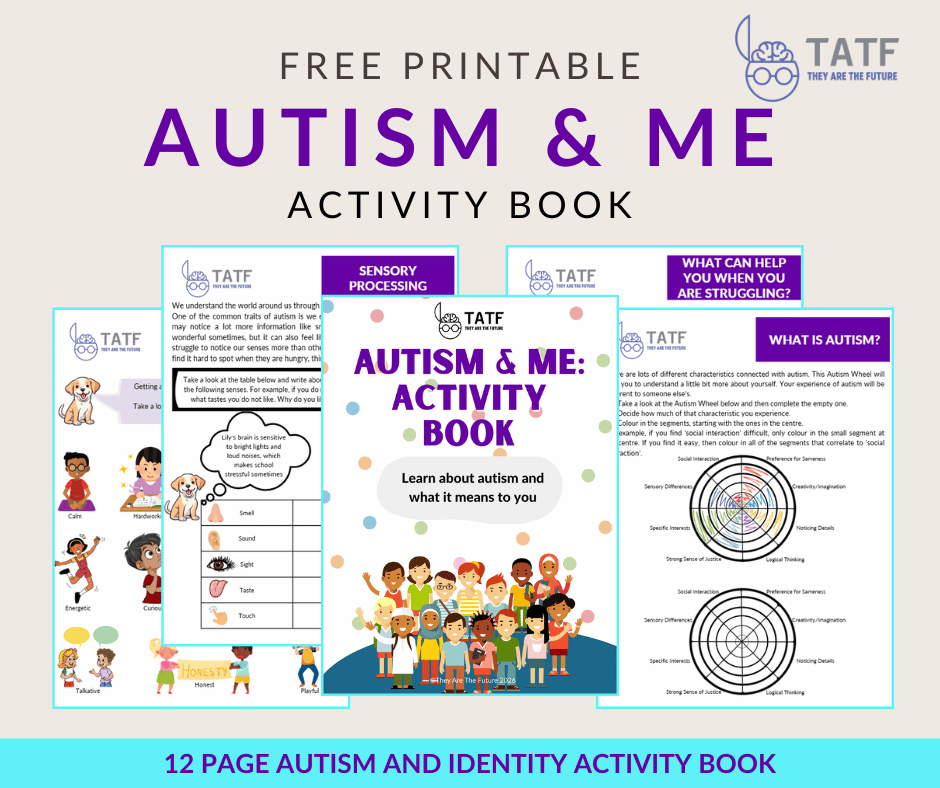
To explore your child’s identity, strengths and support needs together, try my free printable Autism and Me activity book. It is strength-based and neurodivergent-affirming.
Preparing for the Assessment and Protecting Your Child’s Wellbeing
A diagnostic assessment isn’t a test your child has to pass. It’s a chance for professionals to understand their developmental history and current needs across different settings.
Bring together what you already have: school information, previous reports, health details and a sense of what daily life is like at home. Write down questions you want answered. It helps to tell the clinician about things like masking, internal distress or shutdowns, and about sleep, eating, anxiety, friendships and any differences you notice between home and school.
Check your referral status if you have heard nothing for a long time. Your GP surgery, assessment service or local authorities can also tell you what to do if concerns increase before the appointment This SEND parent toolkit may help you organise information for meetings and school discussions, and can advise on getting a second opinion if you remain worried once the assessment is complete.
Care for yourself while you support your child
The waiting period can be draining. School emails, appointments, difficult evenings and uncertainty can take up a lot of emotional space, and it doesn’t have to reach a crisis point before you ask for help.
Try to share the care with other family members where you can, and accept practical help when it is offered. Make time to protect your own rest and talk things through with someone you trust, whether that’s family, friends or one of the local parent support groups in your area.
Know when to seek help before the assessment date
Most children waiting for assessment won’t need urgent intervention. However, get prompt professional advice if your child’s difficulties worsen, such as severe eating or sleeping difficulties, persistent school refusal, loss of previously gained skills, or distress that feels unmanageable.
Contact your GP, school safeguarding lead, social care or local mental health services for advice. Call NHS 111 if you need urgent health guidance, and use A&E or emergency services if there is an immediate risk to your child’s safety or someone else’s.
Your Child Does Not Have to Wait for Understanding
A pending assessment doesn’t mean your family has to put life on hold. Do your best to observe them without judgement, make small environmental changes, work with school, protect your child’s recovery time, and gather clear information ahead of the appointment.
When you are wondering what to do while waiting for autism assessment, bring your attention back to the child in front of you. The goalis to reduce any avoidable distress and help them feel understood, able to participate and safe to communicate.
Dr Lucy Russell is a UK clinical psychologist and Clinical Director of Everlief Child Psychology. She qualified as a clinical psychologist from Oxford University in 2005 and worked in the National Health Service for many years before moving fully into her leadership and writing roles.
In 2019 Lucy launched They Are The Future, a support website for parents of school-aged children. Through TATF Lucy is passionate about giving practical, manageable strategies to parents and children who may otherwise struggle to find the support they need.
Lucy lives with her family, rescue cats and dog, and also fosters cats through a local animal welfare charity. She loves singing in a vocal harmony group and spending time in nature.
