
Summer Schedule for Kids: The Simple Trick to a Happy, Balanced Holiday

A loose summer schedule for kids with daily themes is my secret to help your child feel more settled during the holidays. One themed project or activity per day so that your child knows what’s coming, has something to look forward to, and you don’t get overwhelmed.
If you’re looking for simple kids summer routine daily schedules, or just a way to bring more calm to the holidays, this idea really works.
When children know what to expect, they feel safe. When they help plan their days, they feel important and in control and you see calmer, happier kids. This easy method both adds structure and brings more summer fun for kids.
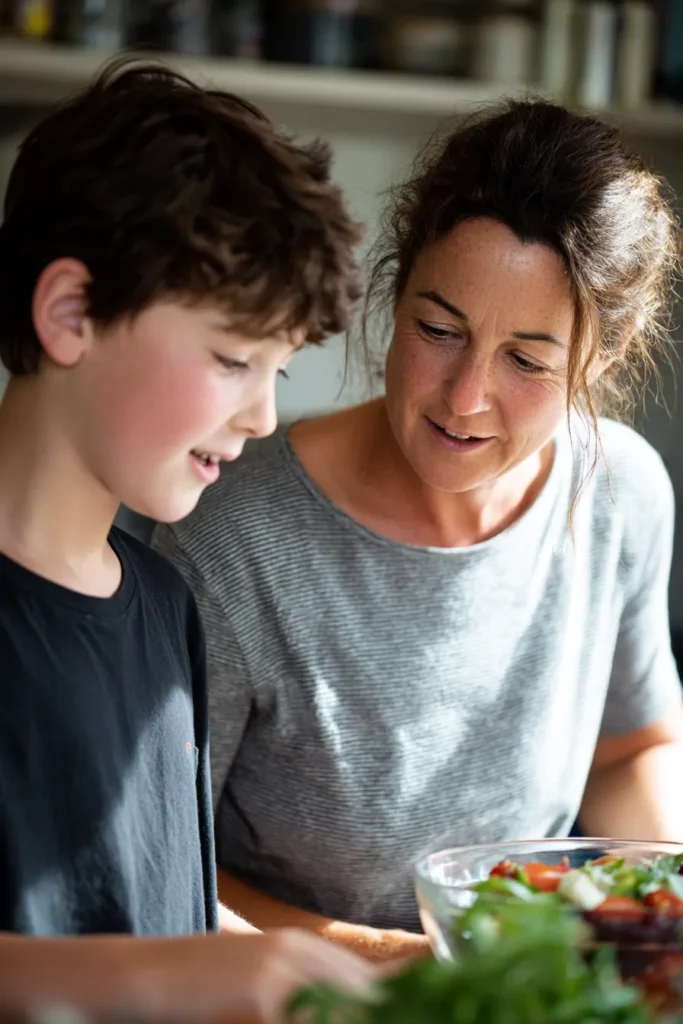
Why Summer Can Feel Unsettled (And What You Can Do)
I know that feeling all too well. You look ahead at the week and see long days with few plans. Without some kind of routine, the days can feel never-ending, for you and your child.
When school ends, that regular daily rhythm disappears. For many children and teens, this leaves them feeling lost or on edge. Boredom kicks in, but so can stress and tension. It’s not just about having nothing to do. It’s the uncomfortable feeling of not knowing what comes next.
That’s where a gentle summer routine can help. Not a strict schedule, but a daily rhythm. Themed days give enough structure to help your child feel calm and focused, while still keeping things flexible and fun.
Planning Ahead With Your Child
Try spending ten minutes together at the weekend to plan the week.
Wondering how to organise kids’ schedules without making it complicated? Keep it simple.
Choose a theme for each day and talk about activity ideas. Let your child or teen suggest things they’d like to do. This gives them a sense of control and helps you avoid those “what are we doing today?” questions.
You can write the plan on a piece of paper and stick it to the fridge. It doesn’t need to be perfect. Just something everyone can see and follow.

Sample Kids Summer Schedule With Daily Themes
Here’s a sample kids summer schedule you can try or change to fit your family. These ideas work well for both younger children and teenagers. They help balance fun, learning and connection.
Monday Funday
Start the week with something fun or creative.
- Create a stop-motion animation using toys or drawings
- Set up a simple obstacle course in the garden or park
- Make homemade ice cream or lollies and design a shop menu
- Write and perform a comedy sketch or funny song
- Build a blanket fort or set up a chill-out zone
Team Tuesday
Do something together as a team. These activities build confidence and connection.
- Tidy or sort a cupboard or room together while playing all your favourite songs, then have a treat afterwards
- Plan and cook a three course meal, with your child leading the way
- Fill a “challenge jar”, then pick one and try it as a family
- Paint or update an old piece of furniture together
- Do a family bake-off and judge each other’s efforts
- Recreate old family photos for fun
- Plan a low-cost day out, letting your child lead the details
Walking Wednesday
Add movement and nature into your week. It doesn’t have to be far or fancy.
- Go on a nature walk with sketchbooks or cameras
- Choose a new route and track it using a step app
- Try a “five senses” walk, noticing sounds, sights, smells and more
- Visit a local trail or park and follow a printed guide
- Make a scavenger hunt with clues or items to spot
- Walk to a nearby café and try something new
- Explore local history on a walk and read signs together
- Take pictures of nature to print later and make a collage

Thinking Thursday
Use this day for problem-solving or learning in a fun way.
- Build a marble run or balloon-powered car
- Invent and design your own board game
- Choose a topic and give a mini presentation
- Create a dream room design with drawings or a mood board using Canva
- Play a logic board game like Codenames or chess
- Try a free online workshop for coding or creative writing
- Solve a real problem at home, like how to store books better
- Make a quiz and be the host for your family
Future Friday
Let your child explore what matters to them and learn real-life skills.
- Practise a skill like cooking, by planning and preparing a family meal
- Start a personal project, like a blog, playlist or photo book
- Look into jobs or careers linked to things they enjoy and create a colourful spreadsheet
- Make a values poster or vision board
- Learn a simple home task through youTube, like fixing a bike or building a bird house
- Set a goal and track progress, like drawing every day
- Interview someone in the family about their work or hobbies
- Create a music playlist that shows how they want to feel this summer
TAKE THE QUIZ!
Why This Kind of Structure Supports Emotional Wellbeing
When children and teens have some structure in their day, they often feel more calm and confident. They know what to expect, which lowers stress. They finish things they start, which helps build self-belief. And when they help make the plan, they feel proud and included.
There’s something even deeper going on too. When a child sees that their ideas matter and that they can follow through on something, it shapes how they see themselves. It builds the belief that they are capable and important. This is where self-worth begins.
Want to Strengthen Your Child’s Self-Worth This Summer?
If you’d like to go further with this, my Self-Worth Workshop is a great next step.
It’s a short online workshop you can watch with your child. In just 30 minutes, you’ll discover what helps your child feel confident, proud and secure in themselves. You’ll explore their strengths, their values and how to support their sense of identity in everyday life.
Click here to explore the Self-Worth Workshop

A Final Thought
You don’t need to plan every hour. Just having a light rhythm to your week, shaped together, can take some of the pressure off and make your summer feel more relaxed and connected. A small amount of structure can go a long way in helping your child or teen feel calm, happy and confident.
Related Articles
Help Your Child Thrive With Small Changes
5 Easy Emotion Regulation Activities For Kids That Actually Work
Handling ‘I’m Bored!’ with Ease: Simple and Effective Ideas For Children’s Boredom
Dr Lucy Russell is a UK clinical psychologist who works with children and families. Her work involves both therapeutic support and autism assessments. She is the Clinical Director of Everlief Child Psychology, and also worked in the National Health Service for many years.
In 2019 Lucy launched They Are The Future, a support website for parents of school-aged children. Through TATF Lucy is passionate about giving practical, manageable strategies to parents and children who may otherwise struggle to find the support they need.
