
My 8-Year-Old Has No Close Friends: How to Tell if It’s a Problem and How to Help

If your 8 year old has no close friends, it is easy to fear the worst: lonely lunchtimes, a lifetime of struggling socially, something wrong that you have somehow missed.
Let’s unpick what friendship actually looks like at this age, how to tell if your child is experiencing problems, and what is a normal part of eight-year-old development
Eight-year-olds and lack of close friendships: The short answer
- Many eight year olds are still moving from “I’ll play with whoever is next to me” into deeper, more stable friendships. Reaching that stage later than classmates is common and is not a problem on its own.
- One close friend, or a couple, is enough. Quality over quantity is what the research supports.
- You can help most through connection at home, small social opportunities set up to succeed, and sometimes a partnership with your child’s school.
What friendship actually looks like at eight
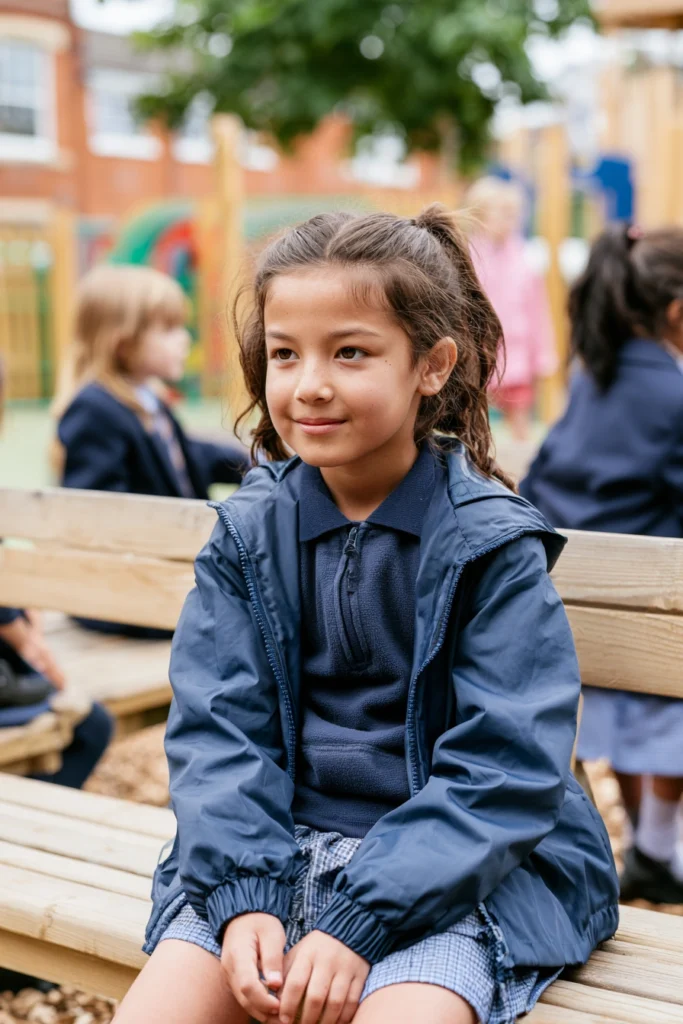
The normal developmental stages of friendship are really important to consider here. Up to around age seven, friendships are mostly about circumstance: children play with whoever lives nearby, sits in their class or happens to love the same game.
From roughly seven to eleven, in what us psychologists call middle childhood friendships, things become more stable and more complex. Children start choosing friends based on shared interests and personality, friendships become tied to identity, and little groups with their own rules begin to form.
Crucially, children reach these stages at different times. An eight year old who still just wants to run around with whoever is available is not behind in any worrying sense. They may simply not have arrived at the next stage yet, while some of their peers have. That mismatch, rather than anything about your child, is often what creates the appearance of them having no close friends.
It is also worth knowing that teachers may see very little of the playground, where closer playground friendships are made. So “they seem fine” from school does not always tell you much.
Is it actually a problem?
Ask yourself two questions:
- is my child content, and
- is my child coping?
Signs your child is struggling socially include social withdrawal, changes in mood, out-of-character irritability, and physical complaints like tummy aches, though these can have many other causes.
If your child seems happy, plays alongside others reasonably well and talks about school without fear or dread, the absence of a best friend right now is unlikely to harm them.
“Does my child need a best friend?” is a common question we hear in my clinic, and the honest answer is no, not yet, but as they get older this may become more important for them. Research consistently finds that the quality of close friendship, not popularity or numbers, is what protects children’s self-esteem and wellbeing over time. A child with lots of acquaintances may be less well supported than a child with one warm, steady friendship, and scientists who study friendship keep reaching the same conclusion: a few meaningful connections beat a wide superficial circle.
If the worry that your child has no friends is keeping you awake, though, and your child is sad, left out or losing confidence, it is time to step in gently.
How to help at home
Start with connection. A few minutes a day where your child can talk and you listen without judging or jumping in will give you accurate information and will enhance their sense of belonging at home, which is the secure base friendships grow from. When children feel safe at home, they are more confident to try a new friendship or ask to join a game.
Be careful not to magnify things. You are hearing one side of the story, and over-identifying with every setback can accidentally teach your child that this is a catastrophe. Friendship struggles at this age are almost never about a child being unlikeable, and protecting that belief matters more than fixing any single lunchtime spent alone or in a quarrel.
Then build friendship skills playfully. Explore what makes a good friend, and what your child brings to a friendship, using my free friendship activities workbook. My friendship skills checklist (also free!) will show you which social skills are typical at eight, which is often very reassuring.
TAKE THE QUIZ!
Set social time up to succeed
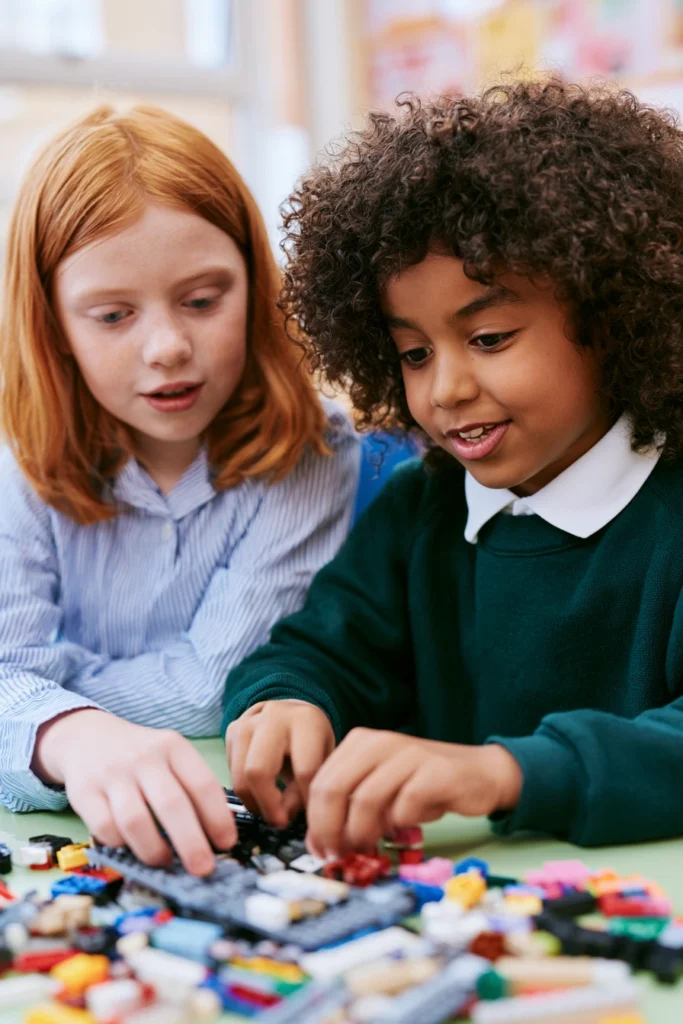
Meeting your child where they are beats pushing them towards what other eight year olds can manage. Try not to compare your child. Short, planned, structured playdates tend to work far better than long unstructured ones: one friend, one agreed activity (a small Lego build, friendship bracelets), a clear finish time, and never straight after school on a Friday when everyone is exhausted.
A half-hour meet-up at the park kicking a ball can suit some children better than hosting at home. A shy child is allowed to skip the whole-class trampoline party, and saying no to that is setting them up to succeed, not holding them back.
Work with school
Talking to the school is always a good idea. You can share information and turn this into a joint plan. You could ask the teacher to observe lunchtimes, request lunchtime clubs or semi-structured playground activities, and ask whether a buddy system is available. But bear in mind that schools have limited resources and be prepared to work within their limits.
Making friends at school can be much easier for children inside a structure with an adult on hand to guide them gently – for example, pairing them up with a potentially suitable friend for a joint task.
When to worry if your eight-year-old has no close friends
When low mood, school avoidance or fading confidence persist for more than a few weeks despite support, you may need a bit of help either from school staff or from a child psychologist. This applies particularly if social struggles are accompanied by other differences you have noticed. In that case speak to the school’s SENCo or your family doctor. For most children, though, this is a stage, and with patient scaffolding the right friendship tends to arrive in its own time.
Dr Lucy Russell is a UK clinical psychologist and Clinical Director of Everlief Child Psychology. She qualified as a clinical psychologist from Oxford University in 2005 and worked in the National Health Service for many years before moving fully into her leadership and writing roles.
In 2019 Lucy launched They Are The Future, a support website for parents of school-aged children. Through TATF Lucy is passionate about giving practical, manageable strategies to parents and children who may otherwise struggle to find the support they need.
Lucy lives with her family, rescue cats and dog, and also fosters cats through a local animal welfare charity. She loves singing in a vocal harmony group and spending time in nature.
