
The Evidence-Based Parenting Approach That’s Transforming Parent-Child Relationships

My Interview With Dr Katherine Hodson & Dr Jen Swanston
If you’ve ever felt overwhelmed during a parenting meltdown, guilty about losing your temper, or worried you’ve damaged your relationship with your child, you’ll find this article helpful.
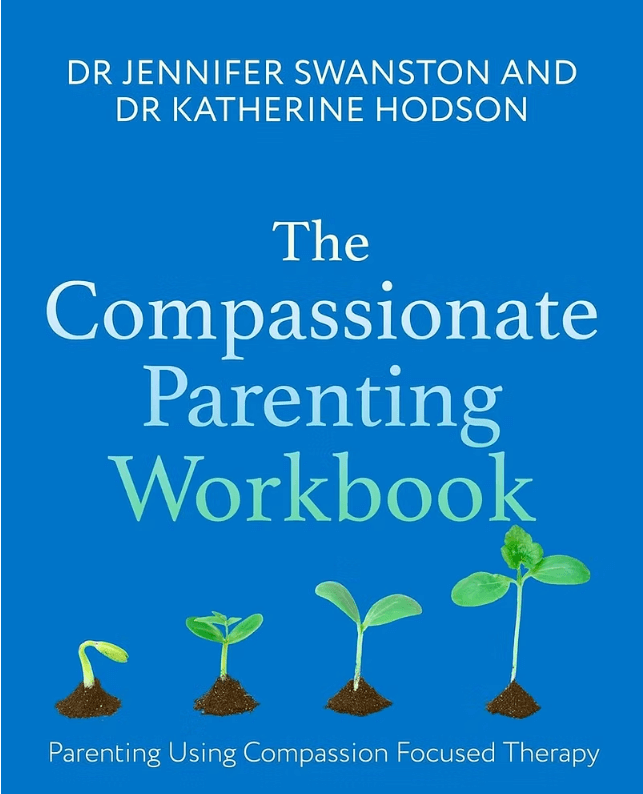
Below, I’ve gathered expert answers to the questions parents ask us most often about building stronger connections with their children. I sat down with my colleagues at Everlief Child Psychology, Dr Katherine Hodson and Dr Jen Swanston, co-authors of the recently published book The Compassionate Parenting Workbook: Using compassion to help tailor parenting to every unique child.
What is Compassion-Focused Parenting? How Does it Help the Parent-Child Relationship?
Compassion-focused parenting blends warmth, understanding of your child, and mindful awareness with specific practical parenting strategies.
There are three key parts to this type of parenting:
| Focus Area | How It Helps You and Your Child |
|---|---|
| Being kind to yourself (Self-Compassion) |
Notice when you’re stressed or being too hard on yourself. Learn to handle difficult moments with self-compassion instead of self-criticism. |
| Managing your reactions (Emotional Regulation Systems) |
When stress triggers that fight-or-flight response, you’ll learn how to calm yourself down and reconnect, so you can parent with a clear head instead of reacting out of stress. |
| Creating safety (Secure Attachment) |
When your child sees you handling emotions well and responding with empathy, they feel secure. This builds trust and makes your relationship stronger. |
Compassion-focused parenting can really help the parent-child relationship. It reduces power struggles between children and their parents, and it also encourages open communication, and helps children start to become experts in their own emotions.
Compassion-focused parenting teaches children self-soothing skills, and reduces the risk of children having behavioural issues, or developing a range of mental health difficulties as they get older.
Putting It Into Practice: Three Quick Examples You Can Use Today
Self compassion
Rather than saying to yourself ‘why didn’t I stay calm…that was stupid’, say ‘I’m only human, and that was really tough’
Emotional regulation
Instead of staying super stressed when your children are ignoring your instructions, you might take two minutes out to stroke your family dog, regroup, and then go back to your children in a calmer state of mind.
Attachment
Your child will feel safe to share their worries and concerns with you, without them being scared that you won’t listen to or support them.

What Would Compassion-Focused Parenting Look Like in a Tricky Moment, Like a Meltdown or an Argument?
Let’s take the example of your child screaming because you’ve said it’s time to leave the playground.
Step 1 · Pause and Ground
Parenting is hard! Bring your attention to your emotions and take a moment before reacting. Take a deep breath and silently repeat a self-compassionate phrase such as “this is hard, but I know I can do this.”
Step 2 · Name and Validate
Kneel down and calmly say to your child, “you’re really upset because leaving is hard.” By validating what is driving your child’s emotion, you help to diffuse the situation.
Step 3 · Offer Soothing Words, Not Fixing Words
Keep your voice soft and your body language open. Comfort before correction helps your child feel safe.
Step 4 · Collaborate
When your child begins to settle, gently guide them through the next steps, such as “let’s take two more swings and then head to the car together.”
Instead of reacting with anger (like “stop crying!”), you stay composed while showing empathy for how your child is feeling. This helps them move from that threatened, panicked place toward calm.

How Can I Support My Child With Big Feelings or Extra Needs (e.g. Anxiety or ADHD)
Compassionate parenting is an approach for all children. The Compassionate Parenting Workbook encourages you to explore your own child’s unique temperament, personality, strengths and struggles in order to find the best approach to support them.
Here are some examples of how you might use compassion-focused parenting with an anxious child and a child with ADHD.
Parenting An Anxious Child Using Compassion-Focused Therapy
When your child feels anxious, you become their safe harbour. You’ll learn gentle techniques like breathing together, grounding exercises, and letting them know their fears are real and valid. By staying calm and speaking softly, you help settle their nervous system. Your calmness teaches them that they can handle hard feelings, by taking things one moment at a time.
Parenting a Child With ADHD Using Compassion-Focused Therapy
Compassionate parenting works beautifully for all children, including those with ADHD. Your child is unique, so you’ll learn to adapt these approaches to fit who they are. Maybe they need more active ways to calm down: think jumping, running, or movement that feels fun for them.
Perhaps they need extra support working through big emotions, or shorter conversations that don’t lose their attention.
The heart of it remains the same: you learn to stay connected and calm, even when their behaviour pushes every button you have. Your steady presence helps them feel understood and valued.

Does Being Too Kind or Soft Lead to Bad Behaviour?
We were brought up in a different time, when it was not unusual for parents to smack their children, and sports coaches often used ‘tough love’ when training us. So it’s not surprising that you might be concerned that compassionate parenting will lead to your child becoming spoiled and badly behaved.
However, this isn’t the case for a couple of reasons.
First of all, research shows us that whilst tough coaching and parenting motivates children to be better behaved, this motivation is based on fear, and so can ultimately have a psychological toll.
A clear example of this is with smacking, as studies show that smacking a child actually results in the young person having increased aggression and antisocial behaviour, and a higher chance of mental health difficulties. Whereas experiencing warmth from a parent does the opposite – it protects our children from developing anxiety, they gain better ways to cope with their stress, and are more likely to show positive behaviour.
Secondly, compassionate parenting is NOT ‘just being nice’ and being soft during tricky parenting moments. Whilst being warm and caring is a strong part of this approach, there are other parts to it as well, such as using your wisdom and knowledge as to the best way forward for your child. This may not be the easiest option for them, but is ultimately the most helpful in the end.
TAKE THE QUIZ!
If I feel Like I Have Already Messed Up the Parent Child Relationship What Should I Do?
It’s never too late to make a change. Children respond well to honesty, so try to talk to your child openly, sharing how you feel that things have been a bit messed up between the two of you recently. But that you love them, and really want to make things better.
Don’t necessarily expect anything positive from them at this stage. Your child will need time to be confident that things have changed.
Use your knowledge of your child to work out what they need from you that will start to bring you closer. Is it sitting with them watching them play computer games whilst you praise them for their progress? Or is it being a silent taxi driver for them, listening to their favourite music whilst driving them to their different activities? Do you need to give them more space and control in their day to day life, or would it help to buy them the odd little present just because you love them (e.g. not linked to any ‘good’ behaviour goal for them)?
Keep in mind your voice tone and words as you talk to them, whatever their reaction. Always striving to use a warm voice tone, and caring language – showing through these signs that you are there for them.
You will then need to take small steps, as it takes time to get parent child relationships back on track, but hang in there and it will happen.

What Are Some Simple Ways to Add More Compassion to My Parenting This Week?
Focus on becoming more aware of your own feelings when you are having a difficult parent-child relationship moment. If we as parents become triggered into difficult feelings of our own (such as anger, embarrassment or shame), then it’s more difficult to parent in a compassionate way.
By noticing your own feelings to a greater extent, you can then take action if you need to, to help manage those emotions (even if it’s just taking a couple of deep breaths) before then refocusing on your parenting.
Secondly, hold the word ‘warmth’ in mind whenever you are with your child. Whether that is through your words, your voice tone, your facial expressions, or hugs. As warmth is central to compassionate parenting.
With thanks to Dr Katherine Hodson and Dr Jen Swanston for collaborating on this article.
Dr Lucy Russell is a UK clinical psychologist and Clinical Director of Everlief Child Psychology. She qualified as a clinical psychologist from Oxford University in 2005 and worked in the National Health Service for many years before moving fully into her leadership and writing roles.
In 2019 Lucy launched They Are The Future, a support website for parents of school-aged children. Through TATF Lucy is passionate about giving practical, manageable strategies to parents and children who may otherwise struggle to find the support they need.
Lucy lives with her family, rescue cats and dog, and also fosters cats through a local animal welfare charity. She loves singing in a vocal harmony group and spending time in nature.
