
Is Clothing Sensitivity a Sign of Autism? Your Parent Guide

If your child hates socks, can’t stand labels, or refuses certain fabrics, you’re probably wondering what’s behind it. Clothing sensitivity is common in autistic children, but it also shows up in children who aren’t autistic at all.
Usually, it’s a sensory issue caused by sensory sensitivity in children. Sensory issues with clothes can turn school mornings into a battle and raise stress for the whole family. Here, I’ll show you how to tell the difference between a common sensory preference and a wider pattern that may need support.
Why some children are highly sensitive to clothes
Some children have tactile sensitivity, which means the brain reads light touch as much stronger than you’d expect. When this tips into tactile hyper-sensitivity, textures that most people barely notice can feel genuinely painful, so a seam against the skin can feel like sandpaper. Tactile defensiveness is the term for when the nervous system reacts to touch as if it’s a threat, triggering a strong urge to escape or remove whatever is causing the sensation. This is why a clothing tag can feel like a tiny sting that simply won’t switch off, and why your child’s reaction, however extreme it looks, makes complete sense.
Common triggers include socks, waistbands, bras, tights, wool, scratchy tops, fabric textures and tight clothing. On the other hand, some children seek soft, stretchy or close-fitting clothes because firmer pressure feels better, or may prefer natural over synthetic fabrics.

It is often about sensory processing, not stubbornness
What looks like refusal or defiance is usually a genuine attempt to avoid real physical discomfort. And because the sensation can feel so overwhelming, being rushed or pushed through it can tip them quickly into emotional distress, whether that’s tears, a shutdown, or a full meltdown.
Is clothing sensitivity a sign of autism, or something else?
Yes, it can be. Sensory differences are part of autism, so clothing sensitivity is common in autistic children and many autistic adults.
But clothing sensitivity also shows up in ADHD, sensory processing disorder, anxiety, and in children with no diagnosis at all. Over time, constant clothing struggles can chip away at a child’s self-esteem and lead to appearance dissatisfaction, especially if they feel different from their peers or can never quite look the way they’d like to.
Look for a wider pattern, not one symptom
Autism is about a broader picture. You might also notice differences in social communication, a strong need for sameness, intense interests, distress with change, or other sensory processing difficulties like sensitivities to noise, light, food textures, or general sensory overload.
What you can do if getting dressed causes daily stress
Start with comfort, not compliance. Small coping strategies often make mornings calmer and help your child feel safer in their own skin when getting dressed.
Here are some dressing strategies:
- Choose sensory-friendly clothing such as soft, tag-free clothes, seamless socks, seamless underwear, and cotton fabrics; wash new items first. In the UK, Marks & Spencer has a sensory-friendly children’s clothing range.
- For school uniform, work closely with school to identify whether any concessions or adaptations can be made. For example, if a child finds school shoes difficult to wear, many schools allow black trainers instead (with advance agreement).
- Build in extra time, so dressing does not feel rushed.
- Notice patterns in fabrics, temperatures and times of day.
- For children who seek pressure, consider compression garments or weighted clothing.
It can also help to speak to your GP, a paediatric occupational therapist, or your local autism assessment pathway.
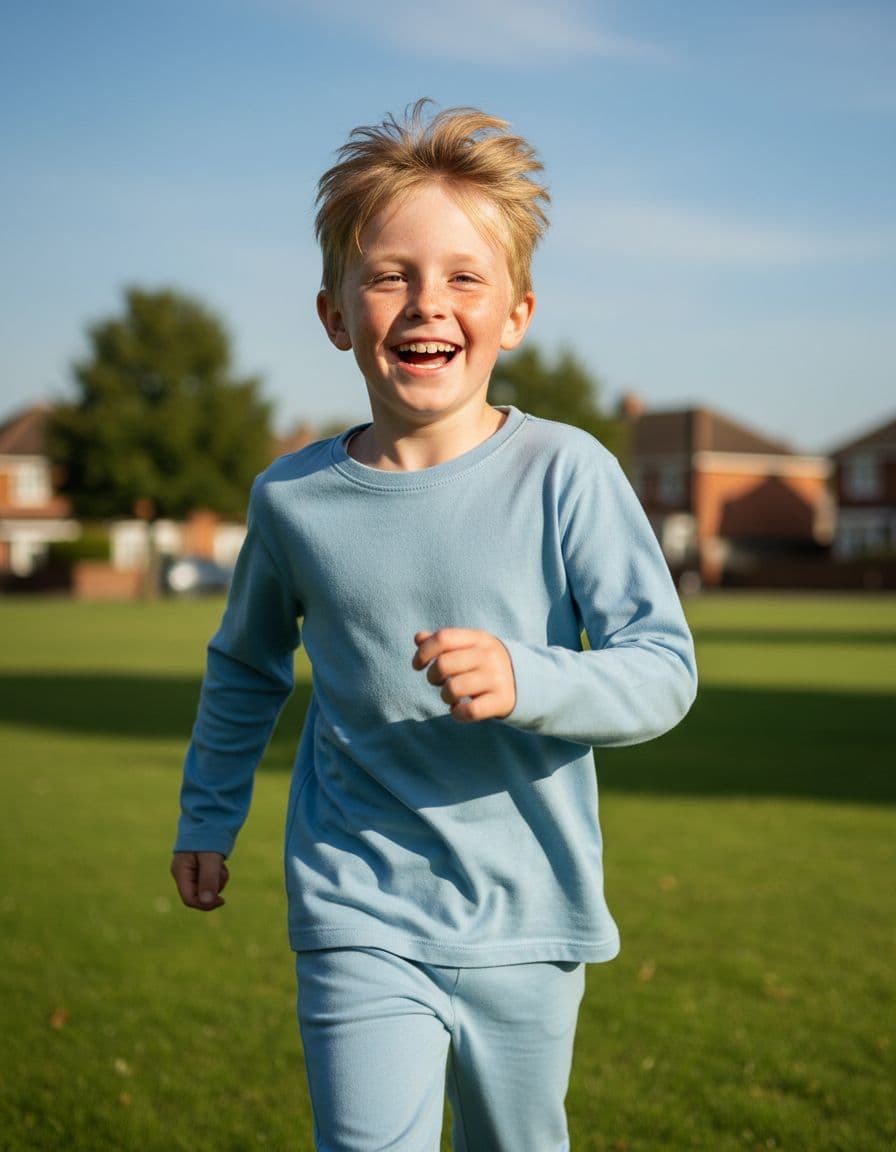
A quick example of how clothing sensitivity can show up
Eight-year-old Saffy screamed every morning when her socks twisted and her jumper label scratched. She was late for school every day, and her mum Angela felt frazzled and exhausted. It wasn’t a behaviour problem, it was a sensory one. Once Angela switched to seamless socks and cut out the labels, and gave Saffy a more time to get dressed without the pressure of the clock, the mornings started to look completely different. Sometimes a few small, practical changes are all it takes to shift the pattern.
The bottom line is simple. Is clothing sensitivity a sign of autism? Sometimes, yes. But it isn’t enough on its own. Trust what you see, take the pressure off where you can, and if clothing struggles are coming alongside other differences or making daily life really difficult, it’s worth talking to someone.
Dr Lucy Russell is a UK clinical psychologist and Clinical Director of Everlief Child Psychology. She qualified as a clinical psychologist from Oxford University in 2005 and worked in the National Health Service for many years before moving fully into her leadership and writing roles.
In 2019 Lucy launched They Are The Future, a support website for parents of school-aged children. Through TATF Lucy is passionate about giving practical, manageable strategies to parents and children who may otherwise struggle to find the support they need.
Lucy lives with her family, rescue cats and dog, and also fosters cats through a local animal welfare charity. She loves singing in a vocal harmony group and spending time in nature.
