
My Child Won’t Make Eye Contact: Is It Autism?

It can feel worrying and confusing when your child rarely looks at you. Eye contact is often treated as proof of attention or connection, so it is easy to fear that something is wrong. If you’ve been searching for answers about autism eye contact with parents or other adults, you’re in the right place. I lead a team of autism professionals that supports families from first enquiry, through the clinical assessment process, and follow up support afterwards.
For many parents, worries about autism (autism spectrum disorder) and eye contact begin here. But eye contact alone cannot confirm or rule out autism. Your child may be processing, protecting themselves from sensory overload, or simply communicating in their own way. These eye contact differences are common, and they rarely have just one explanation.
Is Difficulty With Eye Contact a Sign of Autism?
Reduced, brief, unusual or absent social eye contact, sometimes called eye contact avoidance, can be one feature of autism. It is never enough on its own to tell you whether your child is autistic.
An autism assessment looks at the wider developmental picture. This includes social communication, joint attention, back-and-forth social interactions, sensory differences, routines, interests, emotional regulation and how your child manages everyday life. As you’ll see in the NHS guide to signs of autism in children, eye contact is just one possible sign amongst many.
Many autistic children make eye contact. Some use very intense or fixed eye contact. Others have learned to look at people because they feel expected to, even when it takes a lot of effort. Good eye contact does not rule autism out. You can read more about autistic children and forced eye contact if this feels familiar.
Eye contact differences can take many forms. A child might glance briefly at someone, look beside their face, or look towards their mouth. They might look away while listening, or use unusually intense or prolonged eye contact. What matters is not simply how much eye contact they make, but how they use gaze within communication.
Shyness, anxiety, attention differences, sensory discomfort, vision concerns and temperament can also affect how a child uses eye contact. Eye contact is just one of many social cues, and its social significance can be different for every child.
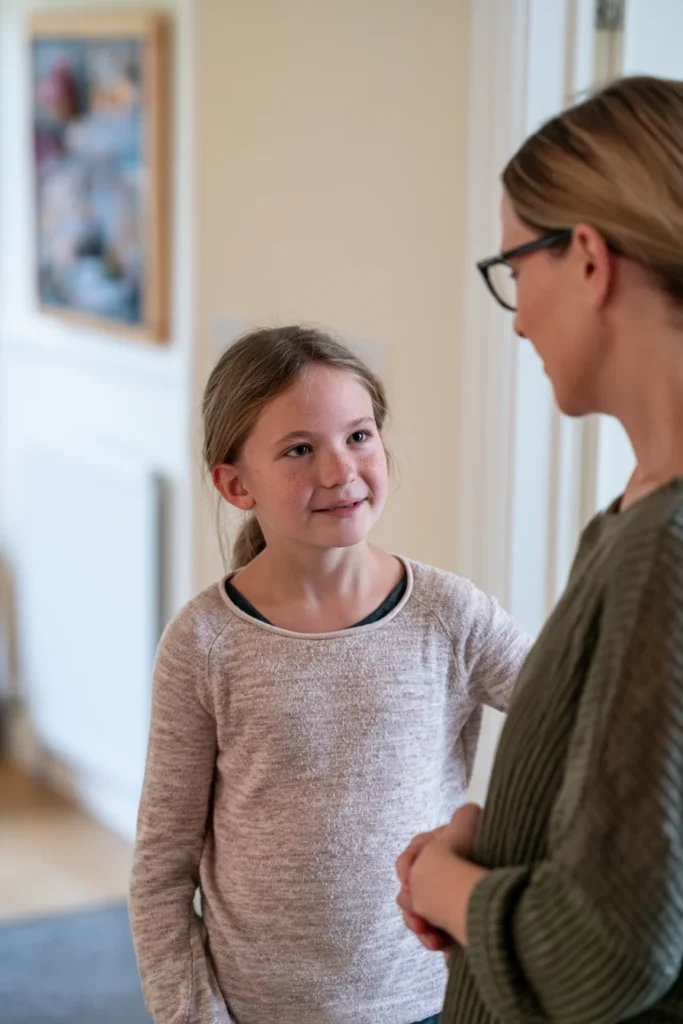
Looking Away Can Help Your Child Listen and Think
Some children look away when they are listening, remembering, speaking or solving a problem. Faces carry a lot of information, and holding eye contact adds to the cognitive load your child is already managing while they think and listen.
For example, your child may answer you more clearly while looking at a toy, the floor or out of the car window. That does not mean they are being rude or ignoring you, or that they are autistic. Notice their words, actions and response, rather than using eye contact as the test of whether they have heard you.
Eye Contact Can Change With the Situation
Your child may look at you more at home than they look at teachers at school, or less when they are tired, worried or overloaded. Eye contact can also change with unfamiliar adults, bright lights, noise or pressure to perform. Neurotypical children sometimes avoid eye contact too, for example when they are tired, overwhelmed or simply feeling shy.
Looking at patterns over time is more useful than one awkward interaction. Try to be curious about what helps your child feel calm and connected.
Eye Contact, Gaze and Joint Attention
Professionals don’t simply look at whether a child makes eye contact. They also consider how a child uses gaze, gestures and other communication to connect with people.
For example, your child might notice something interesting, look towards it, point to it and then glance towards you. They might bring you a favourite toy or look towards you when something makes them laugh. These moments of shared attention can tell you more about social communication than direct eye contact alone.
Should You Worry About Your Child Not Making Eye Contact?
A lack of eye contact is not necessarily something to worry about or fix. Successful social connection can be your child bringing you a favourite object, laughing at your joke, sitting near you, talking about an interest, reaching for a hug or coming back to you when they are upset, and they may not show eye contact in these moments. Eye contact is just one social cue among many, and it’s rarely the one that matters most to your child. You might notice other everyday moments of joint attention instead, like your child pointing something out to you or sharing a laugh together. These social interactions often say more about connection than eye contact does.
You may feel pressure from relatives, school staff or social expectations. But forcing, demanding or rewarding eye contact can increase distress. For some children, being required to make eye contact can also make listening and communicating harder. It is better to let your child communicate in ways that work for them.
Communication and Eye Contact
This is not about teaching your child to make eye contact. It is about making communication easier for parent and child alike.
Making Communication Easier
Use your child’s name gently before speaking, then pause. Give them extra time to take in what you have said. Keep language clear and check understanding in a relaxed, natural way. Gestures, pictures, visual supports, writing, texting or a shared note are all useful forms of non-verbal communication, especially for older children. Reduce background noise when conversations are difficult. A busy kitchen, television or car radio can make processing much harder.
Communication Works Both Ways
Communication works both ways. The term “double empathy problem” is sometimes used to describe how autistic and non-autistic people can misunderstand each other. This highlights that communication difficulties are not necessarily located within the autistic person. Both people may be interpreting each other’s communication differently. Your child can be understood through their own natural way of communicating. Being a patient, flexible communication partner often helps more than any single technique.
Some approaches have historically tried to increase eye contact as a social behaviour. More autism-informed approaches focus instead on meaningful communication, shared attention and engagement. The aim is not to make a child perform eye contact simply because other people expect it.
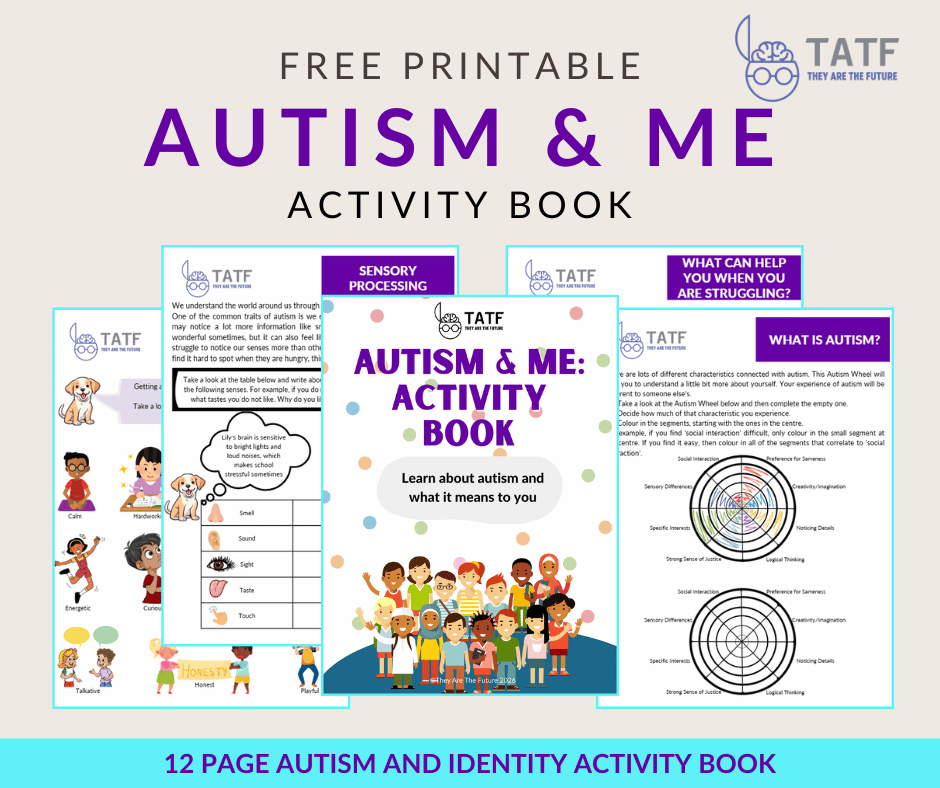
If your child is newly diagnosed or awaiting assessment, my free printable Autism and Me activity book can help them explore their strengths, needs and communication preferences.
Gentle Ways to Connect Without Asking for Eye Contact
Try sitting side by side while drawing, gaming, building or watching a programme. Talk during a walk or car journey, when facing each other is not expected. Join an activity your child already enjoys, and comment on what you notice rather than asking question after question.
Shared interests often create natural conversation. Notice your child’s preferred distance, movement, sensory needs and communication style. Your calm presence can be supportive even when they are not looking at you. Eye contact differences like this are just one part of how your child connects, not a sign of how much they care.
If you are tempted to say “Look at me”, try asking for attention instead. You might say, “I’m going to tell you something,” then give your child time to respond. You can check understanding through what they say or do, rather than through eye contact.
When Your Child Needs More Time
A pause can feel long when you are waiting for an answer. Try giving your child a few extra seconds before repeating yourself or changing the question.
If they do not respond, lower the pressure. You might say, “You can tell me later,” and stay nearby. This gives them space while keeping the connection warm. Staying close as a steady communication partner, and paying attention to non-verbal communication like a glance, a smile or a shift closer, often tells you more than words alone.
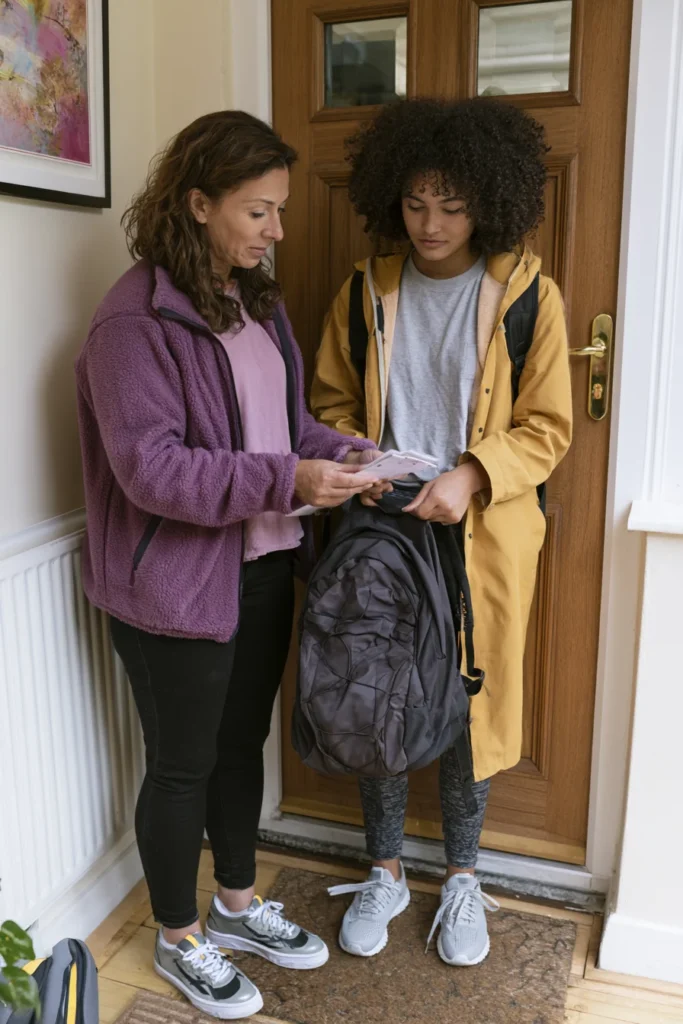
When to Seek Extra Support for Communication Differences
Speak with your GP, health visitor or school SENCO (Special Educational Needs Coordinator) if eye contact concerns sit alongside ongoing difficulty with conversation, responding to name, sharing interests, gestures, friendships, sensory overload, change or daily functioning.
A professional can consider the full picture. They may discuss an autism assessment, hearing or vision checks, speech and language therapy, or other clinical assessments of your child’s wider development. These clinical assessments can take time, so it is fine to ask questions and go at a pace that feels manageable for your family. The National Autistic Society also explains the range of professionals who may be involved.
Expectations around eye contact also vary between families and cultures. Professionals should consider your child’s wider communication and cultural context, rather than applying one standard to every child.
You do not need to wait for a diagnosis before making communication more comfortable. If your child loses language or social skills they had previously developed, seek professional advice promptly.
Frequently Asked Questions
Yes. Some autistic children use eye contact naturally, while others have learned it because they feel it is expected. Look at your child’s wider communication, sensory and emotional profile rather than one behaviour.
Yes. An autistic child may make frequent or comfortable eye contact with their parents. Eye contact can vary between people, situations and times of day. Good eye contact does not rule out autism.
Objects can feel calmer and less demanding than faces. Your child may also find it easier to think, listen or speak when they are not managing eye contact at the same time.
Try asking for their attention rather than their eye contact. You could use their name, move nearby and wait until they are ready. Check their understanding afterwards through what they say or do.
Yes. Anxiety can make eye contact feel exposing or uncomfortable, particularly with unfamiliar people or in busy settings. If you notice wider signs of anxiety, such as avoidance, physical complaints or distress, speak to your child’s doctor. Remember that neurotypical children can feel this too, so anxiety-related eye contact avoidance is not unique to autism.
Eye Contact Doesn’t Define Your Connection With Your Child
Avoiding eye contact can be associated with autism (autism spectrum disorder), but it does not prove autism. Eye contact does not define the quality of your relationship with your child.
Prioritise comfort, trust and shared communication. If you have wider concerns about your child’s development, speaking with your GP or SENCO is a sensible next step.
Dr Lucy Russell is a UK clinical psychologist and Clinical Director of Everlief Child Psychology. She qualified as a clinical psychologist from Oxford University in 2005 and worked in the National Health Service for many years before moving fully into her leadership and writing roles.
In 2019 Lucy launched They Are The Future, a support website for parents of school-aged children. Through TATF Lucy is passionate about giving practical, manageable strategies to parents and children who may otherwise struggle to find the support they need.
Lucy lives with her family, rescue cats and dog, and also fosters cats through a local animal welfare charity. She loves singing in a vocal harmony group and spending time in nature.
