
When an Autistic Teenager Doesn’t Understand Friendship

If you sometimes feel your autistic teenager doesn’t understand friendship the way their peers seem to, it’s natural to feel worried or unsure what to do next. They may be trying to navigate implicit expectations, different communication styles, or sensory overload when they’re spending time with others.
This doesn’t mean they don’t care, or that they lack empathy. What matters most is whether your teenager feels connected and content, not whether their friendships look typical.
Key Takeaways
- Hidden friendship expectations can be tiring to work out.
- Friendship abilities vary, and one safe connection or chosen solitude can be enough.
- Teach practical social skills only if this is what your teenager really wants, and never ask your teenager to mask who they really are.
- Take bullying and emotional distress seriously, and seek prompt support.
Why Friendship Can Feel Different for Autistic Adolescents
Friendship often involves skills like small talk, turn-taking, varied tone of voice and body language, humour, and knowing when somebody needs space.
For some autistic adolescents, differing communication preferences and styles can make these implicit social rules feel like a map with half the symbols missing. Working out these unwritten rules takes effort, and social navigation and social interaction can become tiring as a result.
The National Autistic Society’s information on communication differences explains how differences in social communication can lead to peer misunderstandings (without suggesting every young person has the same experience). Your teenager may prefer one close friend, or someone who shares their special interests. Busy groups and unstructured breaktimes can be particularly exhausting for autistic adolescents, especially after a confusing or rejecting interaction, and this can contribute to social anxiety.
Look at Your Teenager’s Experience, Not Other People’s Expectations
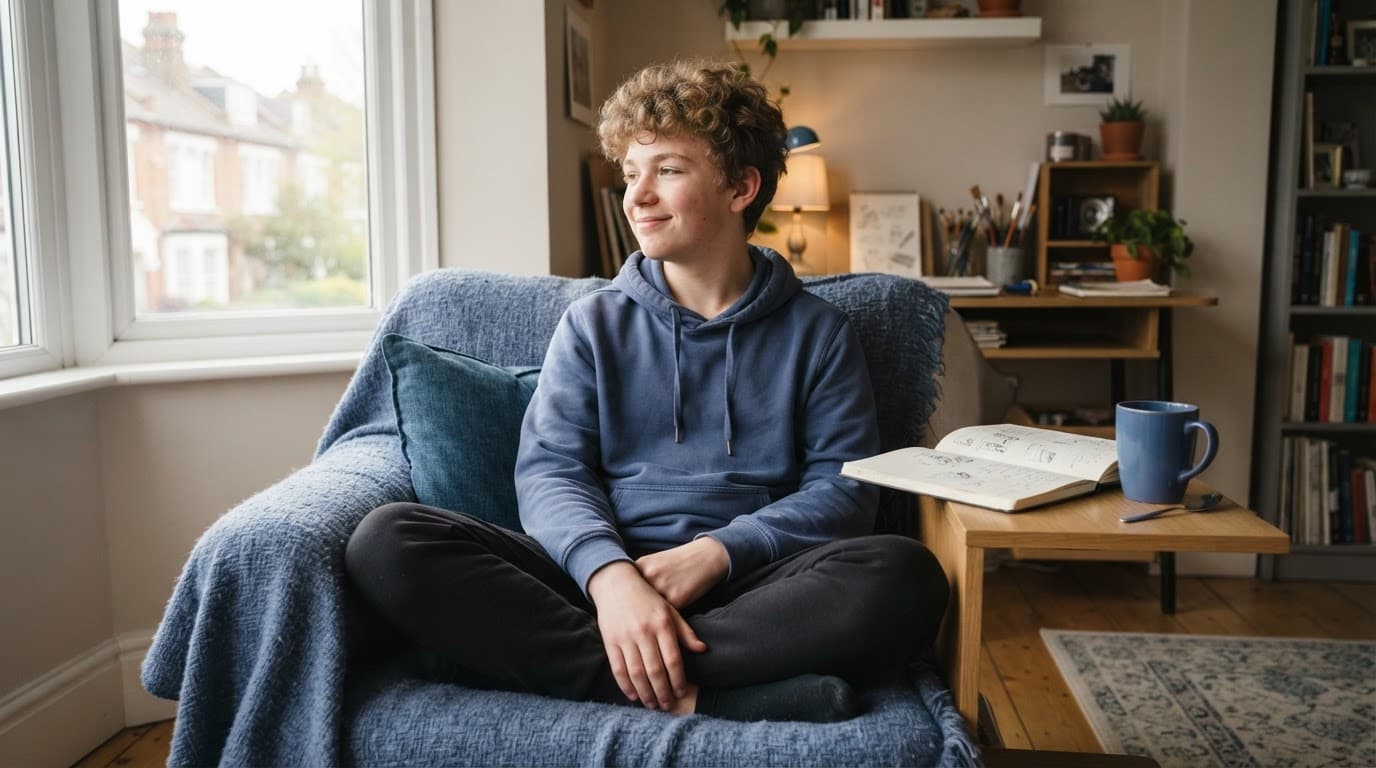
Ask whether your teenager feels lonely or excluded, or whether they’re content with the connections they already have. Their friendship abilities may simply look different from conventional expectations. One trusted friend, an online connection (with appropriate safety boundaries), or time alone by choice can all be healthy.
For younger or early adolescents, shorter, planned, interest-led play dates may feel more manageable. Older teenagers may prefer one-to-one meet-ups instead. Having few friends doesn’t automatically mean there’s a problem. You may find my article about support for autistic teenagers and relationships helpful.
Support Friendship Skills Without Pressure
Choose one goal that matters to your teenager, remembering that autistic adolescents have individual needs, strengths and priorities. If they want to – and only then – you could practise specific social skills with them, such as taking turns, asking a follow-up question, or saying no to an invitation that doesn’t feel comfortable. Always go at their pace, and following their agenda rather than yours.
Conversation skills and social communication can include checking meaning, asking for clarification, or communicating a need for space. These are all friendship abilities in their own right, even when they’re overlooked by people judging against narrow expectations.
It can be helpful to use simple scripts and to role-play everyday situations. Role-play should build social skills and emotional understanding, not demand a particular facial expression or emotional performance. Be careful that practice doesn’t turn into a demand for masking strategies or hiding their autistic traits, since many autistic adolescents already feel pressure to mask. Your teenager should be able to choose which strategies feel useful to them.
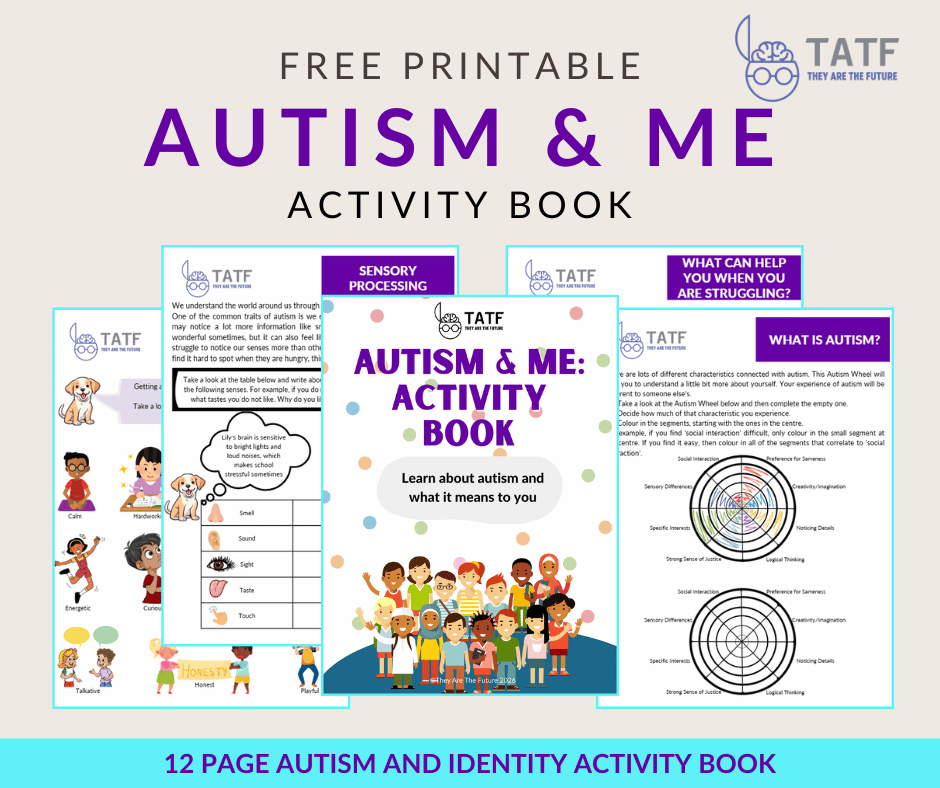
The PEERS programme is a structured programme to help autistic teens with making and keeping friends and handling conflict and rejection. Any programme should be adapted to your teenager’s goals, communication style and pace. Friendship skills for children and teenagers talks you through what kinds of skills children tend to aquire at each age and stage. My free printable Autism and Me activity book may also help your teenager explore their strengths, identity and support needs.
Make Social Opportunities Smaller, Clearer and Safer
For younger or early teens, short, planned play dates may feel more manageable. For older teenagers, try a film night, a shared hobby session, or a one-to-one walk. You can make social opportunities more predictable by agreeing what will happen, who will be there, and how long it will last.
When you’re preparing for a play date or another meet-up, help your teenager plan an opening question and an exit phrase.
It’s worth asking school about a lunchtime club, peer pairing, or pastoral support. Teasing, rumours, exclusion, or frightening online contact may be bullying, not ordinary friendship difficulty.
“My Autistic Teenager Doesn’t Understand Friendship”: When Wellbeing Is Being Affected
Keep an eye on your teenager’s wellbeing if friendship challenges seem to be causing them distress. Look out for persistent sadness, anxiety, school refusal, social anxiety, or a fear of social situations. Sleep changes, masking, harsh self-criticism, and exhaustion after socialising are also potential warning signs that their wellbeing is affected. Also remember that choosing solitude is different from social isolation caused by rejection.
Notice any sudden loss of confidence, or increased difficulty managing situations and social skills that used to feel familiar. Persistent changes in behaviour can have several causes, so it’s worth not assuming friendship difficulties are the only explanation. A review of autism and school bullying highlights why this needs careful attention for autistic adolescents. Research from a South Korean high school setting may not map directly onto a UK secondary school, but it underlines the impact of peer rejection. Schools have a responsibility to respond when neurodivergent young people experience exclusion or bullying.
Listen without taking over, and offer emotional support while you record any incidents. Have a look at the school’s anti-bullying policy and speak to your GP, the pastoral team, or local support services.
Frequently Asked Questions
Friendship quantity isn’t the goal. Differences in friendship abilities and social needs are common, and what matters is whether they want more connection, and whether they feel safe and happy with the relationships they already have.
Only if they specifically want your help in this area. If so, teach specific, practical skills chosen by them to work on, not ways to hide autistic traits or copy behaviour that feels unnatural to them.
Predictable play dates may suit some younger or early teenagers. Older teenagers may prefer a planned meet-up or a shared-interest activity, but neither should be compulsory.
Solitude can be restorative and healthy. Take time to explore whether it’s a preference they’ve chosen, or a response to rejection, anxiety, or overwhelming demands.
A Different Shape of Friendship
Friendship doesn’t need to follow a standard pattern. Autistic adolescents often have strong friendship abilities but they may look different when judged against neurotypical norms. Value your teenager’s comfort, interests, boundaries, and self-acceptance, alongside their own definition of what meaningful connection looks like.
Autistic individuals, including many autistic adults, find connection in different ways, so it can help simply to ask: “Would you like more friendships, or would you like more time alone?”
Dr Lucy Russell is a UK clinical psychologist and Clinical Director of Everlief Child Psychology. She qualified as a clinical psychologist from Oxford University in 2005 and worked in the National Health Service for many years before moving fully into her leadership and writing roles.
In 2019 Lucy launched They Are The Future, a support website for parents of school-aged children. Through TATF Lucy is passionate about giving practical, manageable strategies to parents and children who may otherwise struggle to find the support they need.
Lucy lives with her family, rescue cats and dog, and also fosters cats through a local animal welfare charity. She loves singing in a vocal harmony group and spending time in nature.
